How to Find Hobby Farms for Sale in the US in 2026 (Budget, Acreage & Red Flags)

A hobby farm is the perfect middle ground between a traditional homestead and a full working farm. Large enough to keep animals, grow serious quantities of food, and live a genuinely rural lifestyle — small enough to manage without full-time farming experience or commercial-scale equipment.
What Is a Hobby Farm? Hobby farms for sale near me
A hobby farm is a small-scale farm operation run primarily for personal enjoyment and lifestyle rather than commercial profit. Hobby farms typically range from 2 to 50 acres and may include a residence, outbuildings, pasture, gardens, orchards, and livestock.
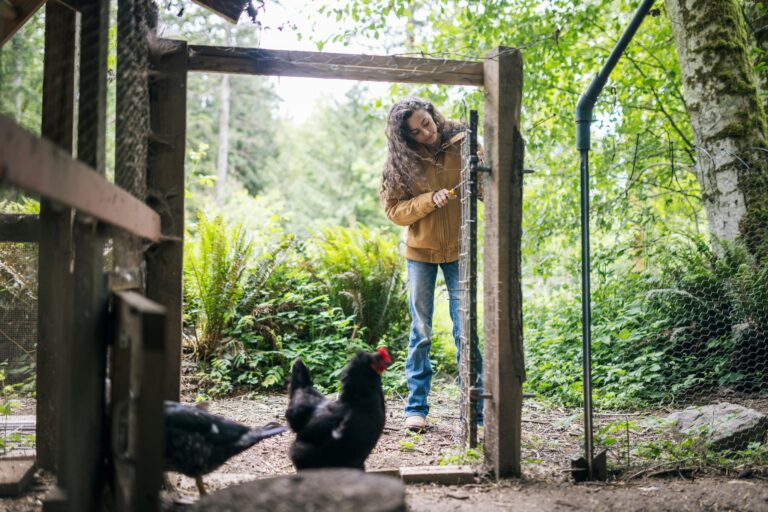
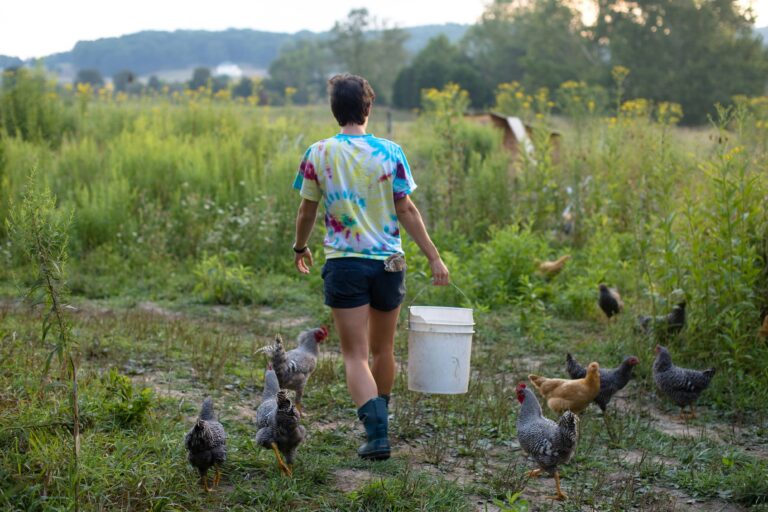
- A 5-acre property with a large vegetable garden and a small chicken flock
- A 20-acre horse property with riding facilities and pasture
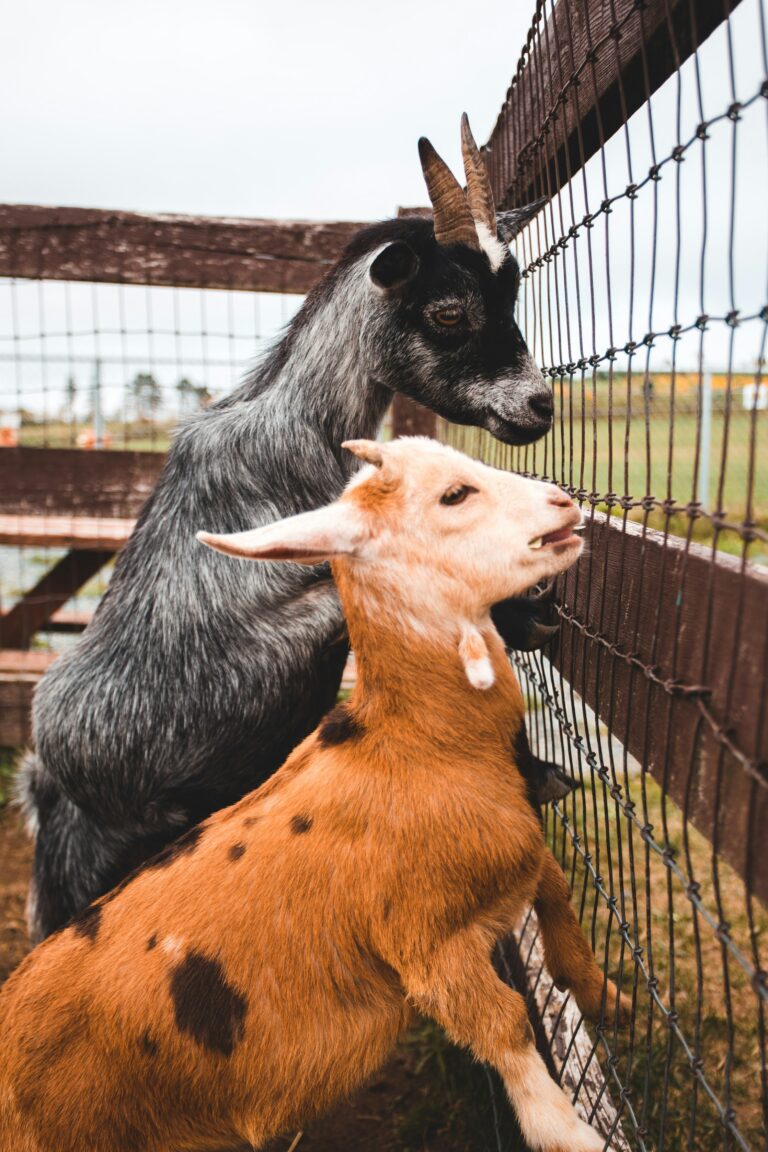
- A 15-acre mixed operation with goats, chickens, pigs, and extensive gardens
- A 40-acre small farm with hay fields, cattle grazing, and a farmhouse
Why Buy a Hobby Farm?
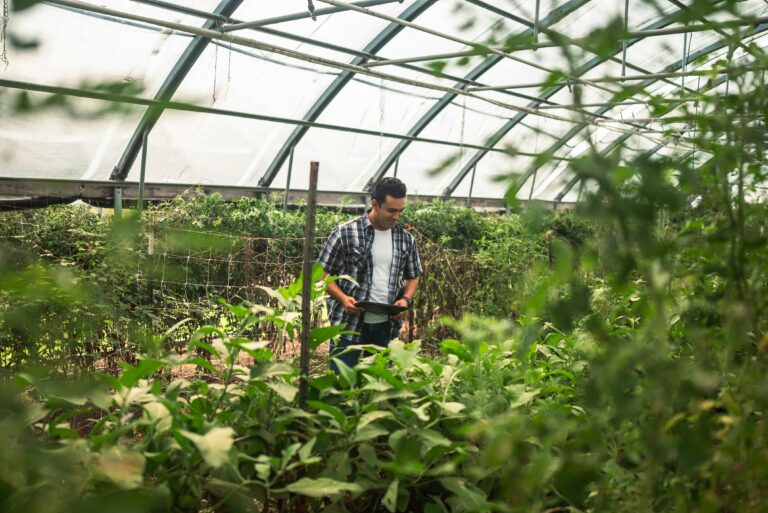
- Self-sufficiency — Space and infrastructure to produce a significant portion of your own food — eggs, dairy, meat, vegetables, and fruit.
- Quality of life — Rural living on your own land offers space, privacy, clean air, and connection to the seasons that is impossible to replicate in urban settings.
- Animals — Space to keep animals you cannot keep in a suburban backyard — horses, goats, pigs, cattle, ducks, and more.
- Financial benefits — Agricultural use exemptions reduce property taxes dramatically. Small farm income from selling eggs, produce, or hay offsets operating costs.
- Investment — Well-located hobby farms with good infrastructure tend to appreciate reliably over time.
What to Look for When Buying a Hobby Farm:
The House:
Evaluate the house independently from the farm component. Check the age of the roof, HVAC, plumbing, and electrical systems. A hobby farm property with a house needing $100,000 in repairs may not be the bargain the land price suggests.
Pasture and Fencing:
- Condition of existing fencing — repairing or replacing miles of fencing is expensive ($3 to $8 per linear foot)
- Pasture quality — healthy, diverse grass or overgrown with weeds and brush?
- Carrying capacity — how many animals can the pasture sustainably support?
- Water access in pastures — troughs, ponds, or creek access for livestock
Outbuildings and Barns:
Existing barns, coops, and equipment sheds represent enormous value. A quality functioning barn can be worth $50,000 to $150,000 to replace. Check the condition of all structures — roof integrity is most critical.
Water Systems:
- Well flow rate and water quality
- Number of water hydrants or spigots around the property
- Pond or creek access for livestock watering
- Irrigation infrastructure for gardens and orchards
How to Find Hobby Farms for Sale Near You:
- Lands of America (landsofamerica.com) — Filter by “Farm & Ranch” or “Horse Property” and set your acreage range. Most comprehensive hobby farm listings in the US.
- Horse Properties (horseproperties.net) — Specifically focused on equestrian properties if horses are your priority.
- LandWatch (landwatch.com) — Good secondary platform with hobby farm and small farm listings.
- Zillow and Realtor.com — Search for homes on acreage or farm and ranch to capture hobby farms listed on residential platforms.
- Local rural real estate agents — Will know about hobby farms before they are publicly listed.
- Drive your target area — Look for “For Sale By Owner” signs on farm properties in rural areas.
- Local Facebook homesteading groups — Post that you are looking for a hobby farm — members often know of properties before they are listed.
Hobby Farm Price Ranges (2026):
| Property Type | Location | Typical Price Range |
| 5–10 acres with older farmhouse | Southeast | $150,000 – $300,000 |
| 10–20 acres with updated home | Tennessee/Kentucky | $300,000 – $600,000 |
| 20–40 acres with barn and pasture | Midwest | $400,000 – $800,000 |
| Horse property with facilities | Any region | $400,000 – $1,500,000 |
| Small farm with multiple buildings | Southeast | $250,000 – $550,000 |
True Cost of Owning a Hobby Farm
- Property taxes — Agricultural exemptions reduce taxes significantly, typically $500 to $2,000 per year on a well-classified hobby farm.
- Fencing — If existing fencing is poor, budget $3 to $8 per linear foot for new fencing. A 20-acre property perimeter is roughly 4,000 linear feet.
- Equipment — A basic tractor for a small hobby farm costs $15,000 to $40,000. Budget for essential equipment before buying the farm.
- Livestock costs — Budget $500 to $1,500 per year per head of cattle, $200 to $500 per horse, $50 to $150 per year per chicken.
- Infrastructure maintenance — Budget 1% to 2% of property value annually for maintenance of wells, septic, roofs, fences, and machinery.
Frequently Asked Questions
How many acres do you need for a hobby farm?
Most hobby farmers find 5 to 20 acres provides enough space for a meaningful operation — garden, chickens, a few goats or pigs, and possibly a small orchard. Horses require at least 2 acres per horse for adequate grazing.
What is the best state for a hobby farm in 2026?
Tennessee, Kentucky, Missouri, and North Carolina consistently rank as the best states for hobby farms based on affordable land prices, strong agricultural communities, moderate climates, and supportive farming regulations.
Can I make money from a hobby farm?
Many hobby farmers offset costs through selling eggs, produce, hay, meat, or artisan products at local farmers’ markets. Breaking even or significantly reducing food expenses is realistic for most operations.
Related Guides:
- How to Raise Chickens for Beginners in 2026 — Fresh Eggs in 6 Months (Article 27)
- Homesteading for Beginners in 2026 — 10 Skills Every New Homesteader Must Learn First (Article 6)
- USDA Grants for Homesteaders 2026 — 7 Programs You Can Apply for Today (Article 2)
- How to Make Money Homesteading in 2026 — 15 Proven Income Streams (Article 31)
- Best Fruit Trees for Your Homestead — What to Plant First (Article 30)
Official Sources:
farmers.gov/your-business/beginning-farmers/funding — USDA’s hub explaining how beginning farmers can access land and financing, including the Nationwide Farm Link Finder and down payment loan programs. Strong fit for a budget/financing section, since many hobby farm buyers don’t realize beginning-farmer programs can apply to them too.
fsa.usda.gov/resources/beginning-farmers-and-ranchers-loans — Farm Service Agency’s page on direct and guaranteed loans for first-time buyers, including microloans. Good anchor if you cover financing options beyond a standard mortgage.
farmlandinfo.org/find-farmland — the Farmland Information Center’s Nationwide Farm Link Finder, which matches landowners with buyers. Useful as a legitimate alternative to the “by owner” marketplaces this keyword’s searchers are drawn to.
consumer.ftc.gov/all-scams/rental-housing-scams — FTC’s real estate scam guidance, same one used for the rural land article. Fits naturally into a “red flags” section, given how much of this keyword’s demand skews toward cheap, by-owner, “abandoned farm” deals.