How to Preserve Food Without Refrigeration — 8 Proven Methods
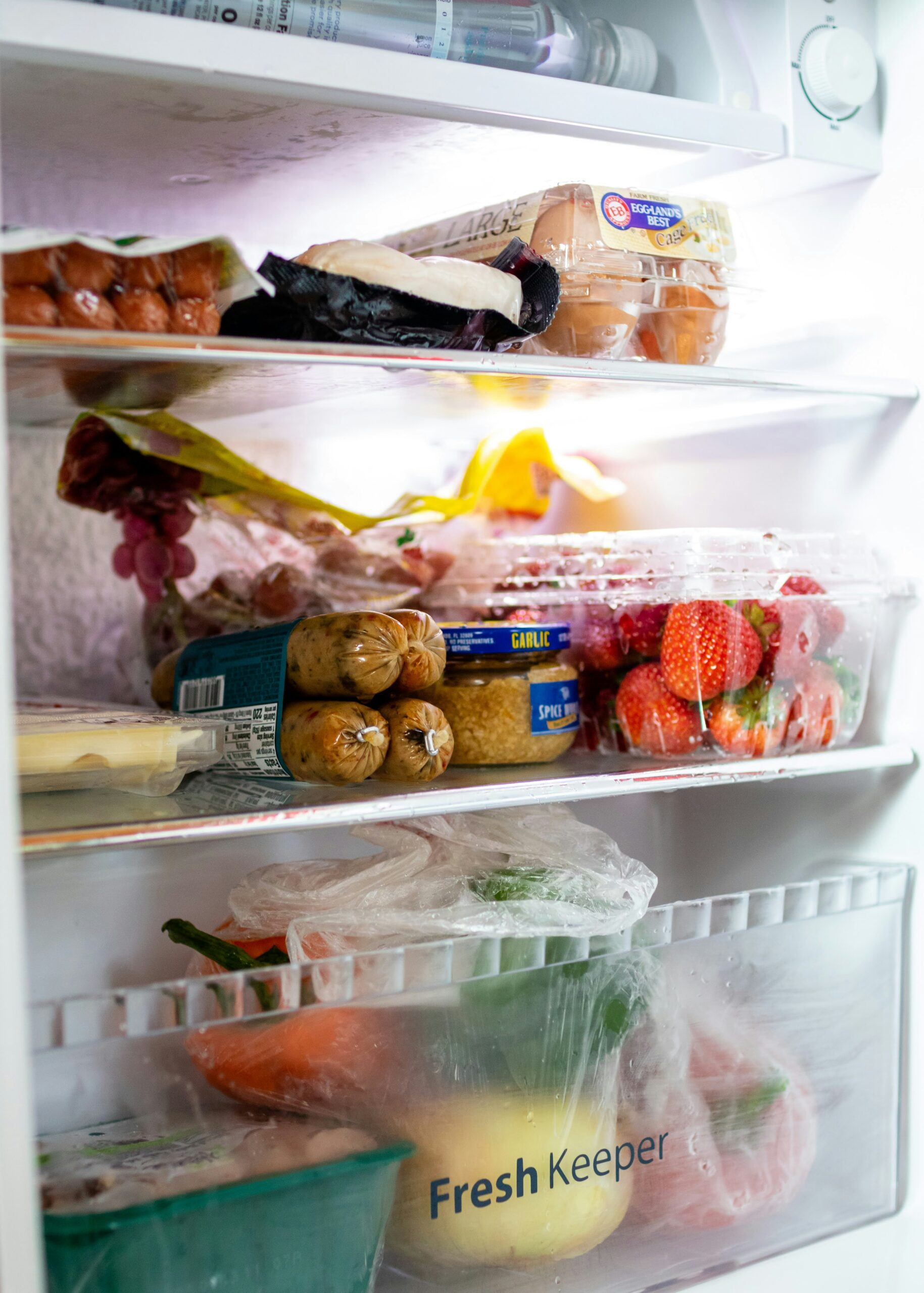
For most of human history, people fed themselves year-round without a refrigerator. The techniques they developed — fermenting, canning, drying, salting, and cellaring — are not just historical curiosities.
They are practical, proven methods that homesteaders rely on today to preserve a garden harvest, reduce food waste, and build food security. This guide covers 8 proven methods for preserving food without refrigeration, with practical instructions for each technique and the foods best suited to each method.
Why Learn to Preserve Food Without Refrigeration?
- Food security: A well-stocked pantry of preserved foods protects your family against supply chain disruptions, power outages, and financial hardship.
- Reduce waste: A productive garden generates more food than you can eat fresh. Preservation converts that surplus into year-round nutrition.
- Save money: Preserving food when it is abundant and cheap means spending less when prices are high.
- Off-grid living: If you are going off-grid or reducing energy use, refrigerator-free food storage is an essential skill.
- Better nutrition: Some preservation methods (fermentation in particular) actually increase the nutritional value of food.
Method 1: Water Bath Canning (Best for High-Acid Foods):
Water bath canning uses boiling water to create a vacuum seal in glass jars, preventing bacterial growth and spoilage. It is the most accessible preservation method for beginners.
- Best foods for water bath canning: Tomatoes and tomato-based products (sauce, salsa, ketchup)
- Fruits and fruit products (jams, jellies, preserves, pie filling)
- Pickles and pickled vegetables
- Juices and vinegar-based products
Equipment needed:
- Large pot with a rack (at minimum 3 inches taller than your jars)
- Mason jars in good condition with new lids
- Jar lifter, lid wand, and funnel (a basic canning kit costs $10 to $15)
Basic process:
- Sterilise jars and prepare lids
- Prepare your food according to a tested recipe
- Fill hot jars with hot food, leaving appropriate headspace
- Process in boiling water for the time specified in your recipe
- Remove, cool, and check seals
Storage: Sealed jars last 1 to 5 years stored in a cool, dark location.
Important: Always use tested recipes from the USDA Complete Guide to Home Canning or the Ball Blue Book. Do not improvise processing times — under-processing can be dangerous.
Method 2 — Pressure Canning (Required for Low-Acid Foods)
Pressure canning reaches temperatures above boiling (240°F vs 212°F for water bath) — the temperature required to safely destroy Clostridium botulinum spores in low-acid foods.
Best foods for pressure canning:
- Vegetables (green beans, corn, carrots, peas, potatoes).
- Meats (chicken, beef, pork, venison).
- Beans and legumes – Soups and stews.
Equipment needed:
- A quality pressure canner (not a pressure cooker — these are different)
- Mason jars with new lids
Basic process:
- Prepare food and fill jars
- Load jars into the pressure canner with the specified amount of water
- Lock the lid and bring to pressure
- Process at the correct pressure for the specified time
- Allow pressure to drop naturally before opening.
Storage: 2 to 5 years in a cool, dark location.
Investment: A quality pressure canner costs $100 to $300 — one of the best long-term investments for food preservation.
Method 3 — Lacto-Fermentation (The Easiest Method)
Lacto-fermentation uses naturally occurring beneficial bacteria (lactobacillus) and salt to preserve food and create probiotics. No heat, no special equipment, and no electricity required.
Best foods for lacto-fermentation:
- Sauerkraut (cabbage)
- Kimchi
- Fermented pickles (lacto-fermented, not vinegar)
- Fermented salsa and hot sauce
- Fermented beets, carrots, and other root vegetables
- Kvass (fermented beet or bread drink)
Equipment needed:
- Glass jars (quart or half-gallon mason jars work perfectly).
- Non-iodised salt (kosher or pickling salt).
- A weight to keep vegetables submerged.
Basic sauerkraut process:
- Shred cabbage finely.
- Massage with 1 tablespoon of salt per pound of cabbage until liquid releases.
- Pack tightly into a jar, pressing until liquid covers the cabbage.
- Weight the cabbage below the brine.
- Cover with cloth and ferment at room temperature for 1 to 4 weeks.
- Taste regularly and refrigerate (or store in a cool cellar) when it reaches your preferred flavour.
Storage: Fermented vegetables keep for 6 to 12 months in a cool cellar or root cellar.
Bonus: Fermented foods are significantly more nutritious than raw or cooked equivalents, with high levels of probiotics, enzymes, and bioavailable nutrients.
Method 4 — Dehydrating (Solar or Electric):
Removing moisture from food prevents the microbial growth that causes spoilage. Dehydrating concentrates flavours and significantly reduces food volume and weight.
Best foods for dehydrating:
- Fruits (apples, peaches, berries, bananas, mangoes).
- Vegetables (tomatoes, peppers, mushrooms, onions, corn).
- Herbs and spices – Meat (jerky).
- Beans (cook first, then dehydrate for instant beans).
Methods:
- Solar dehydrating: A simple solar dehydrator made from a wooden frame, window screen, and glass or polycarbonate panel is one of the most elegant off-grid preservation tools. Works well in dry, sunny climates.
- Electric dehydrator: More reliable in humid or cloudy climates. Excalibur makes the professional standard dehydrator. Nesco makes a solid budget option.
- Oven dehydrating: Set oven to lowest temperature (150 to 170°F) with the door slightly ajar. Less efficient than a dedicated dehydrator but works.
- Storage: Properly dehydrated foods last 1 to 5 years in airtight containers stored in a cool, dark location.
Method 5 — Root Cellaring (Zero Energy)
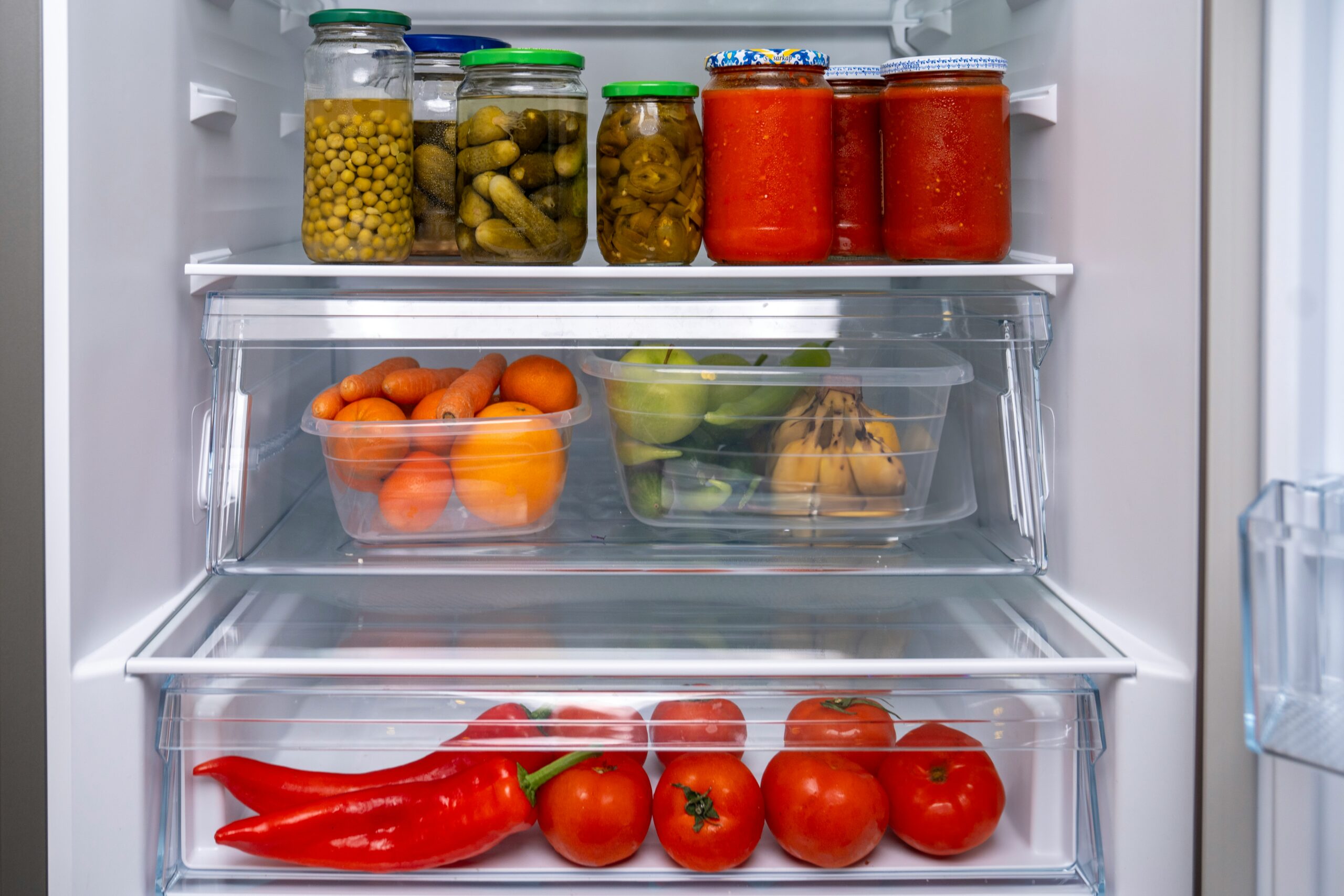
Root cellaring stores food in the naturally cool, dark, and humid conditions of an underground space. No energy required just proper temperature and humidity management.
Best foods for root cellaring:
- Root vegetables (potatoes, carrots, beets, turnips, parsnips).
- Winter squash.
- Apples and pears.
- Onions and garlic (dry, not humid).
- Cabbage.
Ideal root cellar conditions:
- Temperature: 32 to 40°F (just above freezing).
- Humidity: 90 to 95% for most vegetables, 60 to 70% for onions and garlic.
DIY root cellar options:
- Basement corner root cellar: Insulate the two interior walls of a corner of your basement. Use the existing foundation walls on the exterior sides. Add a ventilation pipe to bring in cold air. This is the most common DIY root cellar.
- In-ground storage pit: A buried garbage can or wooden box provides a simple underground storage space accessible from above. Excellent for potatoes, carrots, and turnips.
- Hillside root cellar: Dig into a hillside, line with stone, and cap with a door. Traditional and highly effective.
Method 6 — Salt Curing and Brining:
Salt draws moisture out of food and creates an environment hostile to bacteria. Salt curing has preserved meat and vegetables for thousands of years.
Best foods for salt curing:
- Pork (bacon, ham, salt pork).
- Beef (corned beef, salt beef).
- Fish (salt cod, gravlax).
- Vegetables (salt-cured olives, preserved lemons).
Dry cure method (for meat):
- Mix curing salt (sodium nitrate), regular salt, sugar, and spices.
- Coat meat thoroughly on all sides.
- Refrigerate or keep in a cool space (below 40°F) during the cure.
- Rinse and dry after curing period.
Brining method:
- Dissolve salt in water (typically 1/4 cup salt per quart of water for vegetables, higher concentration for meat).
- Submerge food in brine.
- Weight to keep food submerged.
Storage: Salt-cured products last weeks to months depending on salt concentration and storage conditions.
Method 7 — Smoke Curing:
Smoking preserves food through a combination of dehydration, antimicrobial compounds in smoke, and heat (for hot smoking). It is one of the oldest preservation methods in human history.
Best foods for smoking:
- Meat (pork, beef, venison, chicken, turkey)
- Fish (salmon, trout, cod)
- Cheese
Types of smoking:
- Hot smoking (150 to 250°F) — Cooks and preserves simultaneously. Products are ready to eat but have shorter storage life without refrigeration (1 to 2 weeks).
- Cold smoking (below 90°F) — Adds smoke flavour and antimicrobial compounds without cooking. Must be combined with salt curing for safety. Products last months in a cool, dry environment.
DIY smoker options:
- Repurposed metal barrel or trash can.
- Simple wooden smokehouse built from reclaimed lumber.
- Weber kettle grill (for hot smoking).
Method 8 — Oil Preservation:
Submerging food in oil creates an anaerobic (oxygen-free) environment that inhibits many spoilage organisms. This method is best used in combination with other preservation methods.
Best foods for oil preservation:
- Herbs (herb-infused oils for cooking).
- Sundried tomatoes packed in olive oil.
- Roasted peppers in oil.
- Garlic confit.
Important safety note: Food preserved in oil without additional processing (especially garlic and herbs) can support Clostridium botulinum growth. Always:
- Acidify foods before oil packing (use vinegar or citric acid).
- Keep oil-packed foods refrigerated (this is a refrigerator method).
- Or combine with another preservation method first (dry, then oil pack).
Pure herb-infused oils for cooking are generally safe as they do not contain the water activity needed for botulism growth.
Building Your Preservation System:
The most effective approach combines multiple methods for different foods and different seasons.
A complete year-round preservation system:
- Summer harvest: Water bath can tomatoes, jams, and pickles. Dehydrate herbs. Ferment sauerkraut and pickles. Begin filling your root cellar.
- Fall harvest: Pressure can beans, soups, and meat. Dehydrate apples and excess vegetables. Fill root cellar with potatoes, squash, carrots, and apples. Cure and smoke meat.
- Winter: Live from your preserved foods. Take stock and plan for next season.
- Spring: Use up remaining preserved foods. Start new ferments.
Final Thoughts:
Learning to preserve food without refrigeration is one of the most empowering skills a homesteader can develop. It connects you to thousands of years of human ingenuity, reduces your dependence on commercial food systems, and builds genuine food security for your family.
Start with one method — water bath canning or lacto-fermentation are the most accessible for beginners — and add more techniques as your confidence grows.