What Is Rural Property? Complete Buyer’s Guide to Rural Real Estate (2026)
Rural property is one of the most misunderstood categories in American real estate. Many buyers assume it simply means “land in the country” — but rural property encompasses a wide spectrum of property types, ownership considerations, and buying challenges that are entirely different from urban or suburban real estate.
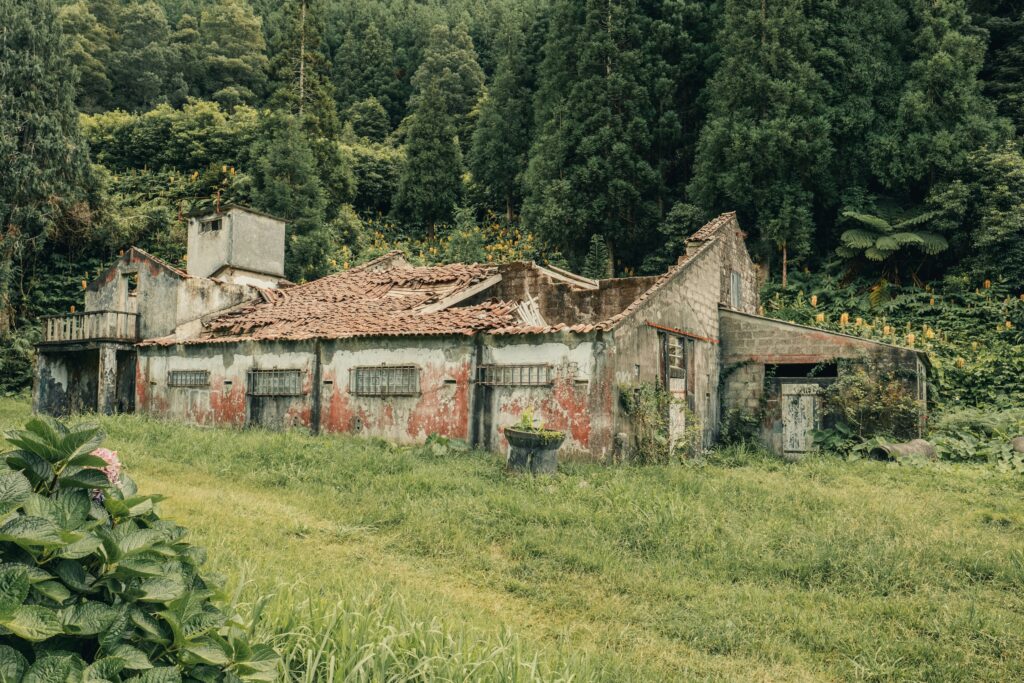
What Is Rural Property?
Rural property refers to land and real estate located outside the boundaries of cities, towns, and suburbs — characterised by low population density, agricultural or natural landscapes, and significant open space. The USDA defines a rural area as any area with a population of fewer than 50,000 that is not immediately adjacent to a major metropolitan area.
Types of Rural Property
| Type | Description | Best For |
| Agricultural Farmland | Working cropland, pasture, hay ground | Farming, investment, cattle, crops |
| Ranch Property | Large acreage for livestock operations | Cattle, horses, diversified livestock |
| Timberland | Forested land for timber production | Investment, hunting, sustainable income |
| Recreational Property | Hunting, fishing, outdoor recreation land | Hunting leases, vacation, outdoor recreation |
| Homestead Property | 2–20 acres for self-sufficient living | Homesteading, rural lifestyle, remote work |
| Residential Rural | Home on rural land with acreage | Primary residence, rural lifestyle buyers |
How Rural Property Differs From Urban Real Estate
No MLS Dominance
Urban real estate is heavily centralised on the MLS. Rural property is far less centralised. Many rural properties are sold through local agents specialising exclusively in rural land, through auction, or through direct owner-to-buyer transactions that never appear on major listing platforms.
Due Diligence Is More Complex
Buying a house requires a home inspection. Buying rural property requires investigating access, water, soil, utilities, zoning, mineral rights, timber rights, easements, flood zones, and environmental issues — most of which have no visible indicators.
Financing Is More Challenging
Land loans typically require 20% to 35% down payments and carry higher interest rates than home mortgages. The USDA Farm Service Agency offers the best financing for rural property buyers through below-market-rate farm ownership loans.
Property Taxes Can Be Very Low
Rural property classified for agricultural use often carries extremely low property taxes. An agricultural use exemption can reduce annual taxes to a few hundred dollars per year regardless of market value — one of the most significant financial advantages of rural property ownership.
USDA Rural Property Programs
- USDA Rural Development Home Loan — Zero down payment loans for eligible rural home buyers. One of the best-kept secrets in rural real estate.
- USDA Farm Service Agency (FSA) Loans — Farm ownership loans up to $600,000 at below-market interest rates for agricultural buyers.
- USDA Beginning Farmer Programs — Special loan terms and technical assistance for buyers with fewer than 10 years of farming experience.
| Visit rd.usda.gov and fsa.usda.gov for current program details. Many rural property buyers qualify for these programs without knowing they exist. |
Rural Property Prices in 2026
| Property Type | Typical Price Range |
| Raw rural land (2–10 acres) | $3,000 – $8,000/acre |
| Farmhouse on 10–50 acres | $200,000 – $500,000 |
| Working farm (100–500 acres) | $500,000 – $3,000,000+ |
| Rural homestead (5–20 acres) | $150,000 – $400,000 |
| Timberland (50+ acres) | $1,500 – $4,000/acre |
| Ranch land (500+ acres) | $500 – $3,000/acre |
Frequently Asked Questions
1: What counts as rural property in the US?
The USDA defines rural areas as those with fewer than 50,000 people not adjacent to major metropolitan areas. In practical terms, rural property is land outside cities and suburbs — typically characterised by agricultural use, low density, and significant open space.
2: Is rural property a good investment in 2026?
Rural property has been one of the strongest-performing real estate asset classes over the past decade. Farmland in particular has produced consistent appreciation. Rural residential property has also appreciated strongly as remote work has increased demand for rural living.
3: What is the difference between rural property and agricultural land?
Agricultural land is a subset of rural property — it specifically refers to land used for farming, ranching, or timber production. Rural property is broader, including agricultural land plus rural residential property, recreational land, and raw undeveloped land.