Rural Land for Sale in the US (2026): How to Find Cheap, Legitimate Listings Without Getting Scammed
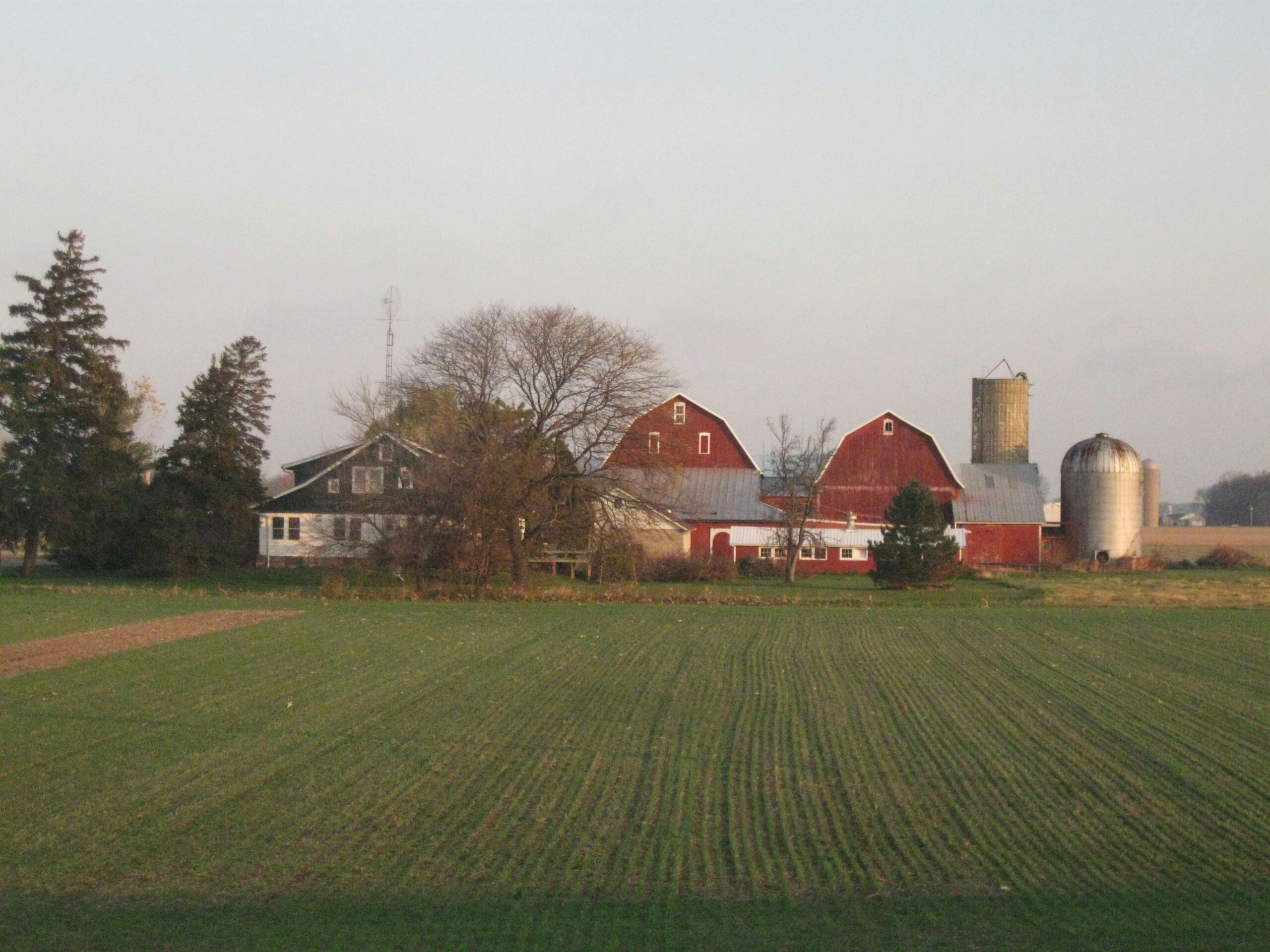
Rural land for sale across the United States represents one of the most compelling opportunities for homesteaders, farmers, investors, and rural lifestyle seekers in 2026. With millions of acres listed at any given time — and digital tools making the search easier than ever — there has never been a better time to find and buy rural land.
But finding the right rural land for sale requires more than a quick internet search. The best deals are often not on the first page of results, and the due diligence required to buy rural land safely is entirely different from buying a house.
Types of Rural Land for Sale
- Agricultural Farmland — Actively farmed cropland, pastureland, or hay ground. Often, the most expensive rural land per acre is due to its productive value and income-producing potential through leasing.
- Timberland / Forested Land — Wooded land with standing timber. Timber value can offset purchase cost over time. Excellent for wildlife habitat, hunting, privacy, and sustainable forestry.
- Raw Undeveloped Land — Land with no improvements — no roads, utilities, or structures. Usually, the most affordable rural land per acre. Requires the most development investment.
- Recreational Land — Hunting, fishing, lakefront, and mountain properties. Often priced at a premium over comparable non-recreational land due to outdoor recreation value.
- Homestead Land — Rural residential land suited for building a primary residence and practicing self-sufficient living with gardens, livestock, and off-grid systems.
Where to Find Rural Land for Sale
Major Online Listing Platforms
- Lands of America (landsofamerica.com) — The largest rural land listing platform in the US with millions of acres across all 50 states. Use map search and filter by land type, acreage, and price per acre.
- LandWatch (landwatch.com) — Part of the same network as Lands of America. Different interface, similar inventory.
- Land.com — Another major platform in the same network, good for browsing a wide range of rural properties.
- Farmflip.com — Specializes specifically in agricultural and farm land.
- AuctionZip.com — Lists land auctions, including tax deed sales and estate auctions, where deals are often found.
Off-Market Sources (Best Deals)
- Local rural real estate agents who specialize exclusively in rural and agricultural land
- County tax records — search for large parcels and contact owners directly
- Farm Credit lenders — contact local Farm Credit offices about foreclosed farm inventory
- Estate attorneys — estate sales of rural land frequently happen below market value
- Driving rural roads — look for signs, overgrown properties, and neglected farmsteads
Current Rural Land Prices (2026)
| Region | Land Type | Price Per Acre |
| Southeast (AL, MS, AR) | Mixed timber/pasture | $1,500 – $4,000 |
| South Central (TN, KY) | Agricultural farmland | $3,000 – $6,000 |
| Texas (East) | Wooded/pasture | $2,500 – $5,500 |
| Great Plains (KS, OK, NE) | Cropland/pasture | $1,500 – $4,500 |
| Midwest (MO, IA) | Prime cropland | $4,000 – $10,000 |
| Mountain West (ID, MT) | Remote ranch land | $500 – $3,000 |
How to Evaluate Rural Land for Sale
Access — The Non-Negotiable:
Does the property have legal road access? This is the single most important question. A landlocked property with no legal easement to a public road has severely limited value and can be nearly impossible to develop or sell. Verify that access is a deeded easement in the title, not just a handshake agreement with a neighbour.
Water:
- Is there an existing well? Get it tested for flow rate, depth, and water quality.
- Are there natural water features — ponds, streams, springs, or creeks?
- What is the annual rainfall in the area?
- Is any part of the property in a FEMA flood zone?
- What are the rainwater harvesting laws in that state?
Soil Quality:
Use the free USDA Web Soil Survey (websoilsurvey.usda.gov) to check soil types, classifications, and agricultural capability ratings for any property. Look for soils rated Class I to Class III for agricultural capability.
Zoning and Deed Restrictions:
Confirm the property is zoned for your intended use. Check for deed restrictions that may limit livestock, structures, or commercial activity. Zoning issues discovered after closing can completely undermine your plans.
Mineral Rights:
In many parts of the US, mineral rights are routinely separated from surface rights. If you buy without mineral rights, the mineral rights owner can legally access the surface to extract resources. Always confirm what is included in the sale.
Financing Rural Land:
- USDA Farm Ownership Loans — Below-market interest rates specifically for rural buyers. Apply at fsa.usda.gov.
- Conventional land loans — Available through banks and credit unions. Expect 20% to 35% down payment.
- Owner financing — Highly flexible, no bank approval required. Many rural sellers offer this option.
- Home equity loans — If you own a home with equity, this allows land financing at home mortgage rates, significantly better than land loan rates.
Frequently Asked Questions:
How much does rural land cost per acre?
Rural land prices vary enormously by location, soil quality, and water access. Expect $1,500 to $6,000 per acre for quality agricultural or wooded land in most Southern and Midwestern states. Remote, unimproved land can be found for under $1,000 per acre in some regions.
Can I get a mortgage to buy rural land?
Yes, but land loans have different terms than home mortgages. Expect higher down payments (20% to 35%) and higher interest rates. USDA Farm Service Agency loans offer the best terms for qualifying rural buyers.
Do I need a real estate agent to buy rural land?
You are not legally required to use an agent, but a buyer’s agent who specializes in rural land is strongly recommended. Their fee is paid by the seller, and their local knowledge is invaluable.
Related Guides on Rediscover Rural:
- USDA Grants for Homesteaders 2026 — Complete Guide to Free Funding
- Best States for Homesteading in 2026 — Land, Laws & Lifestyle Compared
- How to Start a Homestead With No Money — The Complete Beginner’s Guide
- Homesteading for Beginners — The Complete Step-by-Step Guide (2026)
- Mankato Kansas Free Land Program 2026 — How to Apply Step by Step
properties.sc.egov.usda.gov/resales/public/home — the official USDA-RD/FSA Resales site, where the federal government lists actual rural homes, farms, and ranches for sale. Strong fit since it directly extends your “where to find legitimate listings” section.
usa.gov/real-estate-sales — USAGov’s overview page explaining how federal agencies sell real estate and land through auction or offer. Good anchor for a “government land sales” subsection.
consumer.ftc.gov/all-scams/rental-housing-scams — FTC’s consumer guidance on real estate and housing fraud. Fits naturally into a “how to avoid land scams” section, which matters given how much of this keyword’s search demand skews toward suspiciously cheap listings.
msc.fema.gov — FEMA’s Flood Map Service Center, for readers checking flood zone status on a parcel before buying, is a due diligence step worth linking out to directly rather than just mentioning.