Is Rural Land a Good Investment in 2026? Complete Land Investment Guide
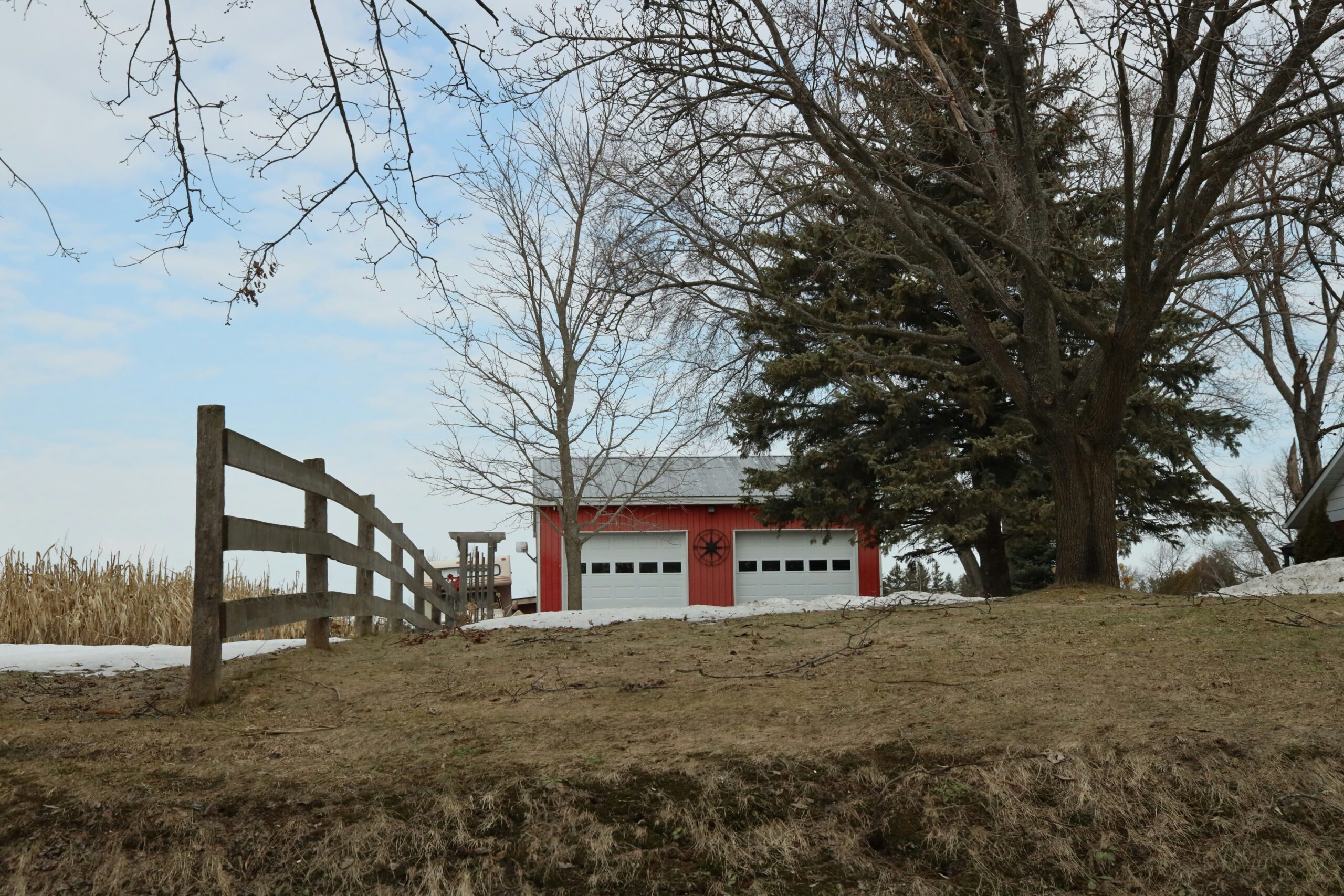
Rural Investment land has quietly been one of the most consistent-performing investment assets in American history. While stocks crash and urban real estate bubbles form and burst, farmland and rural land have produced steady, reliable returns decade after decade — while also providing something no financial instrument can match: a real, tangible asset you can walk on, build on, farm, and live on.
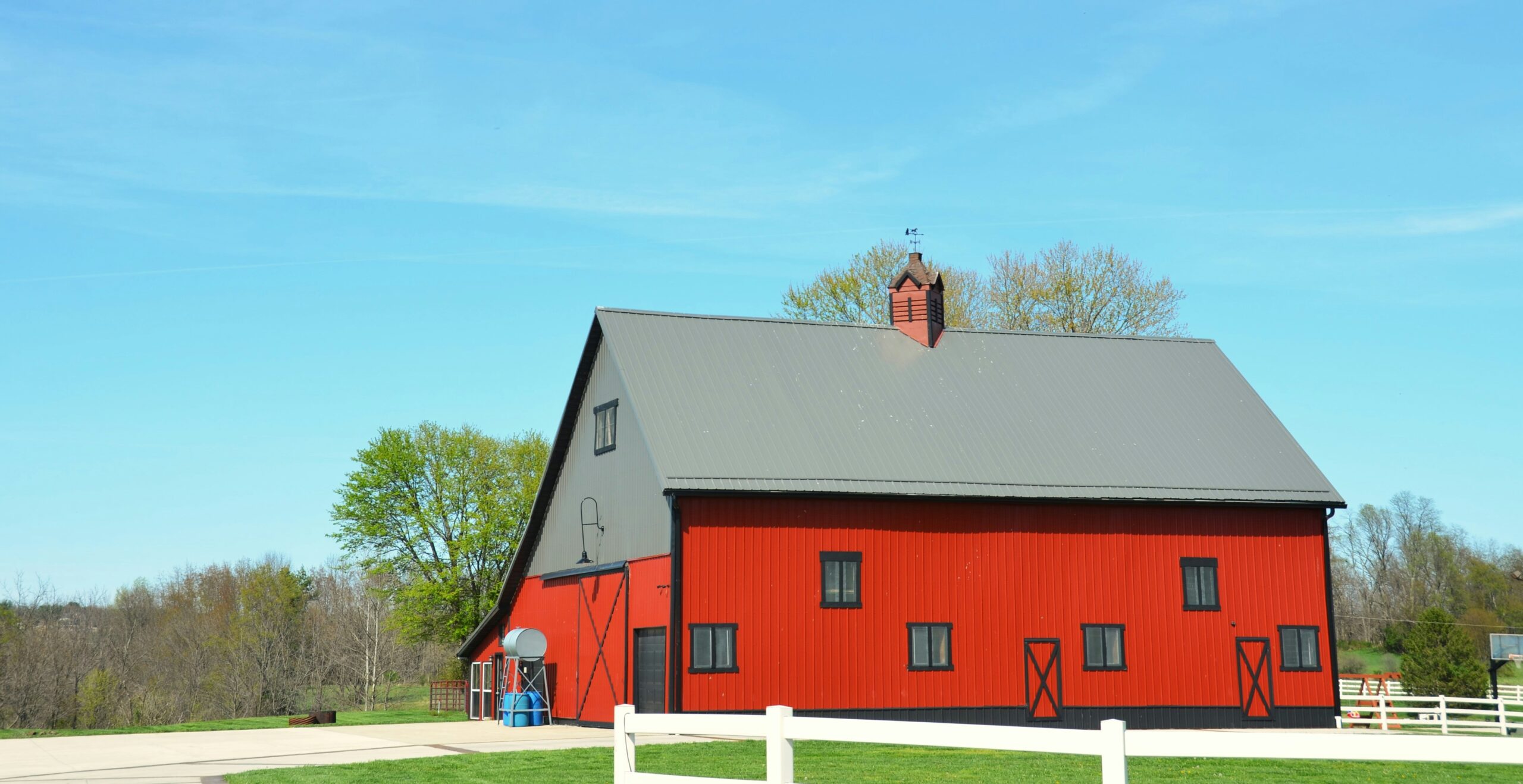
Why Rural Land Is a Strong Land Investment?
Historical Appreciation:
American farmland has appreciated at an average rate of approximately 6% to 8% per year over the past 50 years — outperforming the stock market on a risk-adjusted basis over many periods. Unlike stocks, farmland values have never experienced a complete crash.
Inflation Hedge:
Land is a finite physical asset. Unlike paper money, its supply cannot be printed. As inflation erodes the purchasing power of cash, real assets like land tend to maintain and grow their real value. Rural land specifically benefits during inflationary periods because food prices rise with inflation — increasing the value of the farmland that produces food.
Multiple Income Streams:
- Agricultural lease income — Leasing cropland to a tenant farmer typically generates 3% to 5% of land value annually in cash rent.
- Hunting lease income — Rural land with good wildlife habitat can generate $5 to $25 per acre per year from hunting leases.
- Timber income — Timberland produces periodic income when timber is harvested.
- Mineral lease income — Properties with mineral rights can generate royalty income from oil, gas, or mineral extraction.
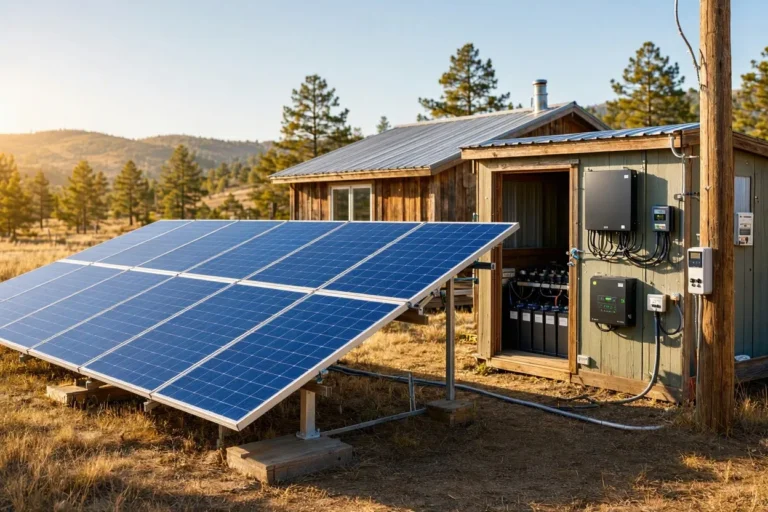
- Solar and wind lease income — Rural land in suitable locations can generate significant income from energy leases.
Limited Supply:
The US has a fixed amount of agricultural land. Urban expansion and land degradation are reducing the supply of productive land while the global population continues to grow. This fundamental supply-demand dynamic supports long-term value appreciation.
Types of Rural Land Investment.
| Investment Type | Annual Cash Yield | Appreciation | Total Annual Return |
| Leased cropland | 2% – 4% | 5% – 8% | 7% – 12% |
| Timberland | 1% – 3% | 4% – 6% | 5% – 9% |
| Hunting land | 2% – 5% | 3% – 6% | 5% – 11% |
| Raw land (hold) | 0% | 4% – 8% | 4% – 8% |
| Development land | 0% – 2% | Variable | Variable |
How to Invest — 5 Methods:
1. Direct Land Ownership
The most straightforward approach — you buy land, hold it, potentially generate income from it, and sell it later at a profit. Requires $50,000 to $500,000+ depending on size and location.
2. Buy and Lease Farmland
Purchase productive cropland and lease it to a tenant farmer who pays annual cash rent. A 100-acre farmland purchase at $6,000/acre ($600,000 total) leased at $150/acre/year generates $15,000/year in passive income plus appreciation.
3. Timberland Investment
Purchase forested land and manage it for timber production. Timber grows continuously and is harvested periodically. Best states include Alabama, Georgia, Mississippi, Arkansas, Louisiana, and Tennessee.
4. Land Development
Purchase raw rural land near growing areas and hold until residential or commercial development increases the land’s value. High risk, high reward — requires correctly predicting where growth will occur.
5. Rural Land REITs and Fractional Ownership
- FarmTogether — Minimum investment $15,000, access to institutional-quality farmland deals.
- AcreTrader — Minimum investment $10,000, US cropland offerings with transparent returns.
- Farmland Partners (FPI) — Publicly traded REIT, invest with any amount like a stock.
Risks to Understand:
- Illiquidity — Rural land typically takes 60 to 180 days to sell. You cannot quickly access capital in a financial emergency.
- Carrying costs — Property taxes, insurance, and maintenance run 0.5% to 1.5% of property value annually even if the land generates no income.
- Commodity price risk — Farmland values are connected to agricultural commodity prices. A prolonged collapse in crop prices can reduce cash rents.
- Market knowledge required — Rural land markets are local and opaque. Without local knowledge, it is easy to overpay or buy land with hidden problems.
- Climate risk — Drought, flooding, and changing precipitation patterns affect agricultural land productivity over the long term.
How to Get Started?
- Decide your investment strategy — farming yourself, leasing to tenants, timber, recreation, or development potential.
- Choose your target region — Midwest for high-value cropland, Southeast for affordable timberland, South Central for quality farmland at moderate prices.
- Build local knowledge — talk to local farmers, attend agricultural extension meetings, visit county FSA offices.
- Secure financing — USDA FSA loans offer the best terms for qualifying buyers.
- Buy right — research recent comparable sales and do not overpay for speculative development potential.
Frequently Asked Questions
Q1: Is rural land a good investment compared to stocks?
Rural land has historically provided competitive total returns compared to stocks while offering lower volatility, inflation protection, and the unique benefit of being a real, usable asset. Best viewed as a complementary asset class.
Q2: How much money do I need to invest in rural land?
Direct rural land investment typically requires $50,000 to $200,000 minimum for a meaningful parcel. Fractional platforms like AcreTrader allow investment from $10,000.
Q3: Does rural land pay income while I hold it?
It can. Leasing cropland generates passive cash rent of 2% to 4% of land value annually. Hunting leases, timber sales, and mineral royalties provide additional income streams.