How to Start a Homestead With No Money in 2026 — 12 Steps That Actually Work
How to Start a Homestead With No Money in 2026 — 12 Steps That Actually Work
Let me say this plainly before we go any further.
You do not need money to start homesteading. You need a decision.
I know that sounds like something printed on a motivational poster. But here is why it is literally true in 2026. Thousands of American families have built thriving, productive homesteads starting from zero — no savings, no land, no livestock, no equipment. What they had was a clear decision to start with what they had, where they were, and to add one thing at a time.
The problem with most guides on this topic — and I have read nearly all of them — is that they confuse “starting a homestead” with “owning a fully equipped rural property.” These are not the same thing. One costs hundreds of thousands of dollars. The other costs nothing but time and intention.
This guide gives you 12 concrete steps that actually work. Not inspirational concepts. Not vague advice to “start small.” Twelve specific actions you can take, many of them this week, that build toward a real homestead regardless of your current bank balance.
| The USDA National Agricultural Library maintains a free collection of homesteading resources covering food production, animal husbandry, and sustainable farming — all available at no cost to anyone building a homestead from scratch. |
| Step 1 of 12: Redefine What Homesteading Actually Means |
Here is the thought that stops most people before they begin: “I cannot homestead until I have land.”
This is wrong. And it is holding you back from years of progress.
Homesteading is not a location. It is not a property type. It is not a minimum acreage. Homesteading is the practice of producing more of what you consume and consuming less of what others produce. That practice can happen in an apartment, a suburban backyard, a rented rural lot, or a borrowed piece of a neighbour’s field.
The homesteaders who start with no money and build something real are the ones who started practising homesteading skills before they had the land. By the time they acquired land, they already knew how to grow food, preserve it, raise animals, and build simple structures.
| Action Step: Write down what homesteading means to you personally — not what you have seen online. What does self-sufficiency look like for your specific family, in your specific situation, in the next twelve months? That clarity is worth more than an acre of land. |
| Step 2 of 12: Audit What You Already Have |
Before you spend a single dollar, take stock of what you already own that has homestead value. Most people are shocked by this exercise.
Go through every room and every outdoor space and ask: what here could produce food, save money, or build a skill?
- A sunny windowsill is a herb garden — starting today
- A garage is a workshop, fermentation space, and food storage area
- A backyard — even a tiny one — can support six raised beds producing hundreds of pounds of food
- An internet connection is access to decades of free homesteading knowledge
Write a second list of skills you already have. Basic cooking, any carpentry, gardening experience, animal experience, mechanical ability, sewing, fermentation, food preservation. Every skill on that list is money you will not need to spend to learn it.
| Step 3 of 12: Start With Your Kitchen Right Now |
This is the highest-leverage entry point for zero-budget homesteading and the step most guides skip entirely.
Your kitchen is already a homestead production facility. It just has not been used as one yet.
Start Fermenting — Today’s Highest-ROI Action
A jar of sauerkraut costs $0.40 to make at home and $8.00 to buy at the store. The skill costs nothing to learn — a head of cabbage, some salt, a jar, and three days. Once you can ferment vegetables, you can preserve food without refrigeration, reduce grocery costs dramatically, and produce something genuinely valuable to trade or sell.
Start Baking Bread
A loaf of sourdough bread costs $0.30 to make and $9.00 to buy. The starter culture is free — flour and water left at room temperature for three days. Every loaf you bake is cash you keep.
Start Cooking From Scratch
Stock from bones, broth from vegetable scraps, rendered fat for cooking — these are homestead skills that cost nothing to learn and reduce your food bill from the first week.
| The kitchen is where your homestead starts — this week. Not next year when you have land. This week. These three skills alone will reduce your food expenses by $200 to $400 per month and produce tradeable goods from day one. |
| Step 4 of 12: Find Free or Low-Cost Land |
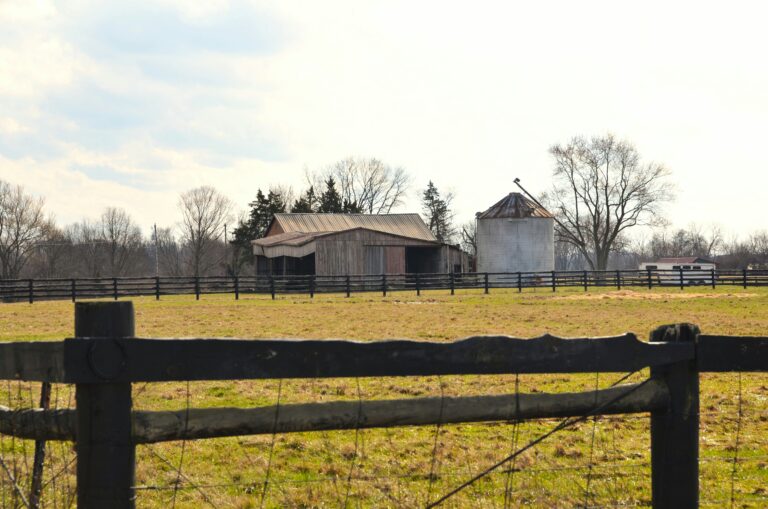
Here is the truth about land: you do not need to own it to homestead on it. And if you do want to own it, some programmes will give it to you for free. Before spending a dollar on land, explore the USDA Rural Development housing programmes — they offer zero-down-payment loans specifically for rural homebuyers, making land ownership genuinely accessible with no upfront savings required.
Free Land Programmes — Active in 2026
Several US towns actively give away residential lots in 2026 to people willing to build and stay. These are legitimate government programmes — not scams.
- Mankato, Kansas — 26 free lots in the Johnson Addition with utilities at every lot
- Plainville, Kansas — free land for both residential and commercial development
- Beatrice, Nebraska — Homestead Act 2.0, free lots in exchange for building within 18 months
- Curtis, Nebraska — free residential lots with full utility access
- Elwood, Nebraska — free lots in a quiet rural community
For a complete guide to every active free land programme in the US, see our full guide to free land programs in the US.
No-Ownership Land Options
- Lease unused land — find a landowner with unused acreage and offer to maintain and improve it in exchange for use rights
- Caretake someone else’s property — elderly landowners and absentee owners often need someone to live on and maintain rural land
- WorkAway, HelpX, and WWOOF — connect with established farms providing room, board, and land access in exchange for work
The USDA Rural Development housing programmes offer zero down payment loans specifically for rural homebuyers — the most direct path to land ownership available in the US for people with steady income but no savings.
If you have been homesteading for fewer than ten years you qualify as a beginning farmer under federal law. The USDA beginning farmer loan programmes offer microloans up to $50,000 at below-market interest rates — making equipment, seeds, and livestock genuinely accessible even with no starting capital.
| Step 5 of 12: Build Your First Growing Space for $0 |
The fastest way to start producing food is not to buy a raised bed kit. It is building one from materials you can find for free this week.
Free Materials — Where to Find Them
- Facebook Marketplace free section — lumber, pallets, tin roofing, old fencing posted daily in most areas
- Habitat for Humanity ReStores — donated building materials at 50–90% below retail
- Craigslist free section and Buy Nothing Project groups — building materials, sheds, greenhouses
- Contractors doing demolition — ask to salvage materials before teardown, most are glad to avoid disposal costs
Free Seeds
- Local seed libraries — run by most county public libraries- offer free seeds to residents every spring
- Online seed swaps — trade variety for variety at no cost
- Nextdoor and local Facebook groups — experienced gardeners give away surplus seeds regularly
Best No-Money Starter Crops
- Potatoes — start from any kitchen potato that is sprouting, cut into pieces and plant directly
- Beans and squash — grow aggressively from inexpensive seed and produce heavy yields
- Sweet potatoes — enormous calorie yield from slips that established growers give away freely in spring
- Tomatoes — start from seed saved from any store-bought tomato, hundreds of plants from one fruit
| Step 6 of 12: Get Your First Animals Free or Nearly Free |
The most common mistake beginning homesteaders make with livestock is starting too big. Start with one species. Master it completely. Then add the next one.
Chickens — The Right First Animal for Almost Every Homesteader
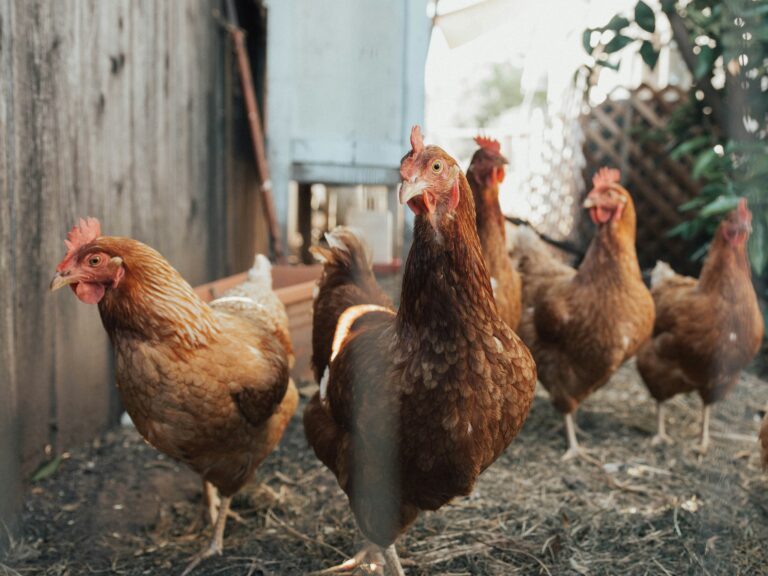
Six laying hens produce enough eggs for a family of four with surplus to sell or trade. Their cost-to-yield ratio is better than any other livestock. Getting them free or nearly free is straightforward.
- Local farmers routinely cull older hens from laying flocks and give them away to anyone who will collect them
- Post in your county homesteaders Facebook group — you will typically have offers within 24 hours
- Check with your county 4-H club and agricultural extension office for leads on free or low-cost birds
For a complete guide to setting up your first flock see our guide to raising chickens for beginners — it covers breeds, coop building from salvaged materials, feeding, health, and egg collection.
Animals to Add After Chickens Are Established
- Coturnix quail — produce eggs within 6 to 8 weeks of hatching, minimal space, starter flock of 6 costs $10–$20
- Rabbits — reproduce quickly, eat inexpensively on hay and scraps, provide both meat and high-nitrogen garden manure
| Step 7 of 12: Master 4 Preservation Skills That Cost Nothing to Learn |
Food preservation transforms a productive homestead from one that feeds you for three months into one that feeds you for twelve. Without it, a summer of hard work is wasted. With it, that same summer’s work provides year-round food security.
Fermentation — Start Today
Cabbage and salt make sauerkraut. Cucumbers, salt, water, and dill make pickles. The cultures are wild and free — no equipment required. The skill takes one afternoon to learn.
Dehydrating — Any Oven Works
Dry tomatoes, herbs, fruit, and meat strips in a regular oven on the lowest setting. A second-hand dehydrator from a thrift store costs $8 to $15 and processes enormous quantities quickly.
Root Cellaring — Zero Equipment Needed
Potatoes, carrots, beets, winter squash, and apples store for months in a basement corner, a buried container, or an unheated garage. No equipment beyond a cool, dark space.
Water Bath Canning — The $25 Investment That Pays for Itself Immediately
Second-hand mason jars cost $0.25 to $0.50 each. A water bath pot costs $15 to $25 new or $3 to $8 used. This skill preserves tomatoes, fruit, jams, and pickles in shelf-stable jars for 12 to 18 months.
| Free Resource: The USDA National Agricultural Library maintains a free collection of food preservation guides, homesteading resources, and agricultural how-to content available to anyone — no registration required. Find it at nal.usda.gov/farms-and-agricultural-production-systems/homesteading |
| Step 8 of 12: Build Essential Structures From Salvaged Materials |
You do not need a contractor or a budget to build functional homestead structures. You need resourcefulness and a willingness to do the work. Every structure a starter homestead needs can be built from salvaged materials for free or near-free.
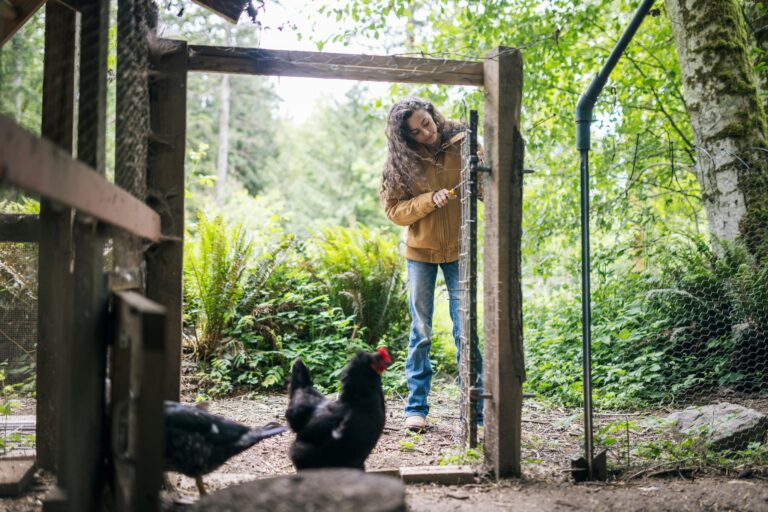
- Chicken coop — a small coop for 6 hens can be built entirely from Craigslist pallets, salvaged tin, and second-hand hardware cloth for under $20 in fasteners
- Hoop house or greenhouse — PVC pipe from a demolition site, salvaged greenhouse plastic or old windows, and a few hours of work create a season-extension greenhouse worth $300 to $800
- Raised garden beds — pallets lined with cardboard are functional raised beds that cost nothing beyond the soil to fill them
- Tool shed — a used 8×10 shed from Facebook Marketplace costs $50 to $200, provides years of storage, and can be moved when you are ready to upgrade
| Step 9 of 12: Learn the Skills That Replace Spending |
Every skill you acquire is money you permanently stop spending. Focus on skills with the highest financial return first.
High-Impact Skills to Prioritize
- Basic carpentry — eliminates the largest category of rural property expense. A secondhand basic hand tool set costs $20–$40 at a thrift store
- Seed saving — learning to save seeds from your best plants eliminates annual seed purchasing forever
- Herbal medicine and salves — growing and using comfrey, calendula, elderberry, and plantain reduces dependence on purchased remedies
- Basic animal healthcare — learning to give injections and identify common illnesses reduces veterinary costs substantially
- Sewing and mending — a secondhand sewing machine costs $20–$50, and the ability to repair rather than replace saves hundreds annually
| Free Learning: Your county agricultural extension service offers free workshops, one-on-one consultations, and soil testing. Your public library carries decades of homesteading books at no cost. YouTube provides free instruction on virtually every homestead skill imaginable. |
| Step 10 of 12: Build a Trading and Bartering Network |
Money is one medium of exchange. It is not the only one.
The homesteaders who build the most without spending the most are invariably the ones with the strongest local networks. In a functioning homesteading community, eggs trade for milk, labour trades for tools, seeds trade for preserves, and knowledge trades for materials.
How to Build Your Network From Zero
- Attend your county farmers market — introduce yourself to every vendor, tell them you are building a homestead, and ask what they do with surplus
- Join your county agricultural extension office mailing list — free workshops, beginning farmer mentors, and local farming resources
- Post in local Facebook groups and Nextdoor — specific offers of eggs, produce, or labour get specific responses
- Start a neighbourhood tool co-op — pool resources with 2 to 3 neighbours on equipment each of you needs occasionally
| Step 11 of 12: Access Free Government Funding Most Homesteaders Ignore |
This is the step with the single highest financial impact on this list — and the one most homesteaders never take.
The USDA operates multiple programmes that pay beginning farmers and homesteaders directly for doing things they were already planning to do.
Key Programmes for No-Money Homesteaders
- EQIP — pays up to $450,000 over a contract period for fencing, water storage, high tunnels, and soil improvement. Beginning farmers receive up to 90% of project costs covered
- REAP — covers up to 50% of the cost of installing solar panels on a rural property, cutting effective solar costs in half
- USDA beginning farmer microloans — up to $50,000 at below-market interest rates for equipment, seeds, and livestock
For a complete guide to every programme available to homesteaders in 2026, see our full guide to USDA grants for homesteaders.
| The single most important action: call your local USDA Service Center and book a free consultation. Tell them you are a beginning homesteader and you want to know which programmes you qualify for. This conversation is free and regularly opens thousands of dollars in funding that most homesteaders never know exists. |
| Step 12 of 12: Generate Income From Your Homestead From Day One |
The final step that separates homesteads that grow from homesteads that stall is this: your homestead should be generating income while it is still being built. Not later. Not when it is finished. Now.
Fastest Income Streams From a No-Money Start
- Surplus eggs — 6 hens produce enough surplus to earn $25–$40 per week at $6–$10 per dozen through a neighbourhood route or farmers market
- Seedlings in spring — a flat of 36 tomato seedlings costs under $2 to produce and sells for $100–$180. No infrastructure needed beyond a sunny window
- Surplus produce — specialty items like Cherokee Purple tomatoes, specialty peppers, and microgreens sell at premium prices, direct to local restaurants
- Skills and knowledge — canning workshops, fermentation classes, and chicken keeping courses on your property bring $30–$100 per person from beginners in your area
For 15 specific income streams with realistic earnings projections, see our complete guide to how to make money homesteading.
What Happens After These 12 Steps
The homesteaders who follow these steps and stay consistent do not stay no-money homesteaders for long. They become low-cost homesteaders. Then, nearly-free homesteaders. Then, homesteaders who generate more than they spend.
This progression happens faster than almost everyone expects. The garden feeds you. The preserved food reduces grocery costs. The reduced expenses create savings. The savings enable the next land purchase or equipment investment. The animals provide income that funds expansion.
You do not need to see all twelve steps clearly from where you stand right now. You just need to take the first one.
| Start in your kitchen this week. Write down your goals. Audit what you already have. Find one piece of free land to plant something on. That is enough for now. Every successful homestead started exactly where yours will start — with one person deciding to begin. |
Frequently Asked Questions:
Can I really start homesteading with absolutely no money?
Yes — with a clear understanding of what “no money” means in practice. It means starting with what you have, building skills before buying things, and growing the operation incrementally as resources allow. Many homesteaders have built thriving operations from literal zero. What they invested was time, learning, and community — not cash.
How long does it take to build a no-money homestead into something substantial?
Most homesteaders who start intentionally see meaningful progress within the first growing season. In 12 to 18 months, it is common to have a productive garden, a small flock, food preservation systems in place, and the first income streams operating. A substantially self-sufficient homestead typically takes 3 to 5 years of consistent building from a zero-money start.
What is the single most important skill to learn first?
Food growing. Specifically, learning to produce a meaningful quantity of calories from a small space. Once you can feed your family from your land, every other homesteading challenge becomes significantly more manageable. Start with the highest-calorie, lowest-maintenance crops — potatoes, beans, squash, and sweet potatoes.
Is it better to rent or own land for a no-money homestead?
Starting on rented, leased, or borrowed land is almost always better than waiting to own. You build skills and systems that apply regardless of location. One or two seasons on someone else’s land makes you dramatically better prepared to use your own land effectively when you acquire it.
What about homesteading laws and regulations?
What you can do on your property depends entirely on your local zoning laws. Before acquiring animals or building structures, confirm what is permitted in your specific county and municipality. Your county planning office can answer these questions for free. See our complete guide to backyard chicken laws by state for an example of how much variation exists between locations.
Related Guides on Rediscover Rural:
- How to Get Free Land in the US 2026 — 7 Real Programs (Article 1)
- USDA Grants for Homesteaders 2026 — 7 Programs You Can Apply for Today (Article 2)
- Best States for Homesteading 2026 — Land, Laws & Lifestyle (Article 5)
- How to Raise Chickens for Beginners in 2026 — Fresh Eggs in 6 Months (Article 27)
- How to Make Money Homesteading in 2026 — 15 Ways That Actually Work (Article 31)
Official Sources
fsa.usda.gov — USDA Farm Service Agency (beginning farmer loans)
rd.usda.gov — USDA Rural Development (housing and rural programmes)
nal.usda.gov — USDA National Agricultural Library (free homesteading resources)