Free Land Programs in Nebraska (2026): Verified Towns, Free Lots & How to Apply
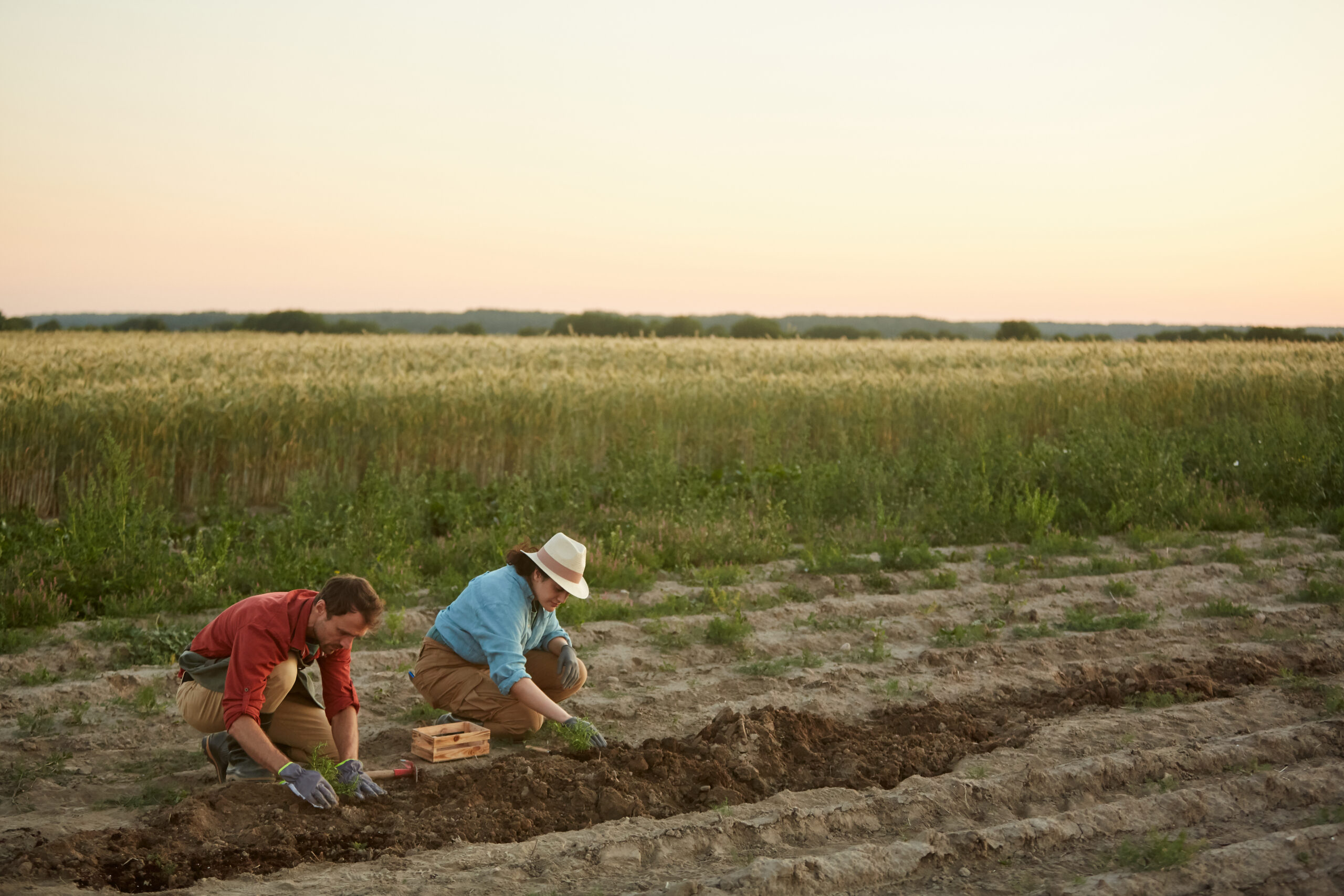
Free Land Programs in Nebraska (2026): Free Lots, Requirements & Application Guide:
Nebraska is where free land began — the very first claim under the Homestead Act of 1862 was staked near Beatrice — and it is one of the few states where the idea never fully died. A handful of Nebraska towns still deed residential lots to newcomers for free in 2026. But before you start packing, you need to understand what “free land” actually means today, because it is not what most people picture.
Modern free land is a free building lot, not free farmland. It is a town-level incentive, not a federal program — the federal Homestead Act ended decades ago, and the last Kincaid Act homesteads in Nebraska date to the 1940s. Every active program follows the same basic trade: the town gives you the deed to a residential lot, and you commit to building a real house on it within a deadline and living in it as your primary residence. You are not getting acreage to farm. You are getting a serviced town lot worth perhaps $5,000 to $20,000, in exchange for bringing a six-figure construction project and a taxpaying household to a community fighting population decline.
Understood that way, these programs are genuinely good deals for the right person — and this guide covers exactly which Nebraska programs are verifiably active in 2026, which famous ones are no longer what the internet says they are, and how to apply without wasting money.
Nebraska free land programs at a glance (2026)
| Town | Status | What you get | Key requirements |
| Curtis | Active — verified | Free serviced lot on a paved street + cash incentives (school enrollment, down payment help) | Build a single-family home on a fixed foundation within the agreement period; primary residence |
| Elwood | Active — verified | Free 110’×115’ lot + 10% of construction cost reimbursed (up to $25,000) | Stick-built home with attached 2-car garage; start within 1 year, occupy within 2; $500 refundable deposit |
| Beatrice | Changed — verify first | Historic “Homestead Act of 2010” free lots; current listed program is Mow-to-Own (maintenance credits toward vacant lots) | Mow-to-Own applicants generally from Gage or surrounding counties; not a classic build-a-home giveaway |
| Kenesaw / Sherman Co. | Historical — ended | Free lots offered in the 2000s era | No longer advertised; included so you know why old lists mention them |
Statuses reflect what official municipal and state sources showed as of July 2026. Programs run on small-town budgets and lot inventories — always call before acting.
Curtis: the strongest active program:
Curtis is a town of roughly 800–900 people in southwest Nebraska, home to the Nebraska College of Technical Agriculture, a golf course, a movie theater, and a genuinely organised relocation effort. Its free lot program is the most beginner-friendly in the state for one practical reason: the lots sit on paved streets with utilities already at the curb. That detail matters enormously — in many rural land purchases, bringing in water, sewer, and power costs tens of thousands of dollars. In Curtis, that cost is largely already absorbed.
The requirements are also lighter than most programs. There is no published minimum square footage, though tiny homes are not permitted — the house must sit on a fixed foundation and connect to town utilities. Outbuildings are allowed behind the home. Beyond the lot itself, Curtis layers on cash: down payment assistance for new construction and a cash benefit for each child you enroll in Medicine Valley Public Schools — current relocation listings advertise up to $1,000 per child and total incentive packages in the low thousands. The town’s logic is simple: each enrolled student brings state education funding, so families with kids are their ideal newcomers.
To start: contact the City Administrator’s office (308-367-4122, via curtis-ne.com) and ask for the current lot map, the building covenants, and the construction timeline in writing.
Elwood: the best financial package:
Elwood, a village of around 700 in south-central Nebraska near Johnson Lake, runs the most financially generous verified program in the state. The free lots in the Wheatfield Addition measure 110 by 115 feet — over a quarter acre — and come with the program’s signature sweetener: the village reimburses 10 percent of your construction costs, up to $25,000, paid when the home is complete.
The requirements are more specific than Curtis: the home must be stick-built (no modular or mobile homes) with an attached double-car garage, and construction is subject to recorded covenants you should read in full before designing anything. The timeline is firm — begin construction within one year of taking the deed, occupy the home within two years. Elwood also asks for a $500 deposit, refunded when the home is completed, which exists to filter out speculators who claim lots and never build.
To start: contact the Village Office at 304 Calvert Ave (308-785-2480), and request the covenants document and current lot availability. The village’s free lots page at elwoodnebraska.com is the canonical source.
Beatrice: read this before you rely on the famous one:
Beatrice is the town every free land article mentions, and for good reason — it sits five miles from Homestead National Historical Park, where the first 1862 homestead claim was filed, and in 2010 it launched a widely covered “Homestead Act of 2010” giving away city lots to people who would build and establish residency. That program made national news. What most articles do not tell you is what Beatrice’s program looks like now.
As of 2026, the program the city actively lists is Mow-to-Own: a vacant-lot program where you earn credits toward ownership of a city-owned lot by maintaining it — mowing, snow removal, weed management — over time. It is a real and useful program, but it is a different animal from a classic free-lot giveaway: eligibility is generally limited to residents of Gage or surrounding counties, and it is designed as much for adjacent homeowners expanding their yards as for newcomers building houses. If you are moving from out of state expecting the 2010-era deal, call the city first. The Homestead Act of 2010 as originally advertised should be treated as historical unless the city confirms otherwise.
To verify: City of Beatrice, beatrice.ne.gov — ask specifically whether any build-a-home lot program is currently funded, separate from Mow-to-Own.
What every program requires (and what disqualifies you)
Across every active Nebraska program, the same core rules apply. You must build a permanent single-family home — stick-built or on a fixed foundation, never a mobile home, RV, or tiny home. You must meet a construction deadline, typically starting within 6–12 months and completing within 1–2 years. The home must be your primary residence, usually for a multi-year commitment. And you must follow recorded covenants covering things like garage requirements, setbacks, and minimum finishes.
The common disqualifiers are just as consistent: inability to show financing or cash for the build before the town signs over the lot; planning to use the home as a rental, flip, or vacation property; proposing a non-conforming structure; delinquent taxes or unresolved obligations to the municipality; and — the quiet one — missing the construction deadline, which typically reverts the lot to the town and forfeits your deposit.
The real math: what “free” actually costs in 2026
| Cost item | Typical 2026 range | Notes |
| The lot | $0 | Plus a refundable deposit ($500 in Elwood) |
| Home construction | $200,000–$350,000 | Stick-built, 1,200–1,800 sq ft at current rural Nebraska rates — get local builder quotes |
| Utility connections | Low — often at the curb | Curtis and Elwood lots are serviced; confirm tap/connection fees with the town |
| Permits, plans, survey | $3,000–$10,000 | Design must conform to covenants before permitting |
| Offsets | −$4,000 to −$26,000+ | Elwood: 10% of build up to $25K; Curtis: down payment help + per-child school cash |
The honest framing: these programs do not make housing free. They remove the land cost, remove most utility-extension cost, and in Elwood’s case rebate a meaningful slice of construction. For a family that was going to build anyway, that is real money. For someone hoping to escape housing costs entirely, a $250,000 build requirement is still a $250,000 build requirement.
Financing the build
Most applicants pair these programs with USDA Rural Development financing, since every town on this list sits in USDA-eligible rural territory. The Single Family Housing Guaranteed Loan program works with local lenders and allows zero down payment for qualifying buyers; the Direct Loan program serves lower-income applicants. Some lenders offer construction-to-permanent versions so one closing covers the build and the mortgage — ask specifically for that, because a town deadline plus a slow two-closing process is how applicants end up forfeiting lots. Local and regional Nebraska banks familiar with these town programs are often faster than national lenders. Details and eligibility maps are at rd.usda.gov, and our USDA grants guide covers the adjacent grant programs homesteaders can stack.
How to apply, step by step
- Call the town office first — confirm the program is funded, lots are available, and get requirements in writing. (Curtis: 308-367-4122. Elwood: 308-785-2480.)
- Get the covenants and lot map — read every restriction before sketching a floor plan.
- Line up financing — pre-approval or proof of funds, ideally a construction-to-permanent USDA-backed loan.
- Get builder quotes against the covenant requirements — attached garage, stick-built, minimum specs.
- Submit the application with your build plan and timeline; pay any deposit.
- Sign the development agreement — this is a contract with deadlines and reversion clauses; read it fully.
- Break ground inside the deadline, complete on schedule, occupy the home, and collect any completion-based incentives.
Frequently asked questions
Is Nebraska really giving away free land in 2026?
Yes, in a specific form: towns like Curtis and Elwood deed free residential lots to people who commit to building a home and living in it. It is free building land in town, not free farmland, and not a federal program — the federal Homestead Act ended long ago.
Which Nebraska towns have active free land programs in 2026?
Curtis and Elwood are the two programs verified as active through official state and municipal listings. Beatrice’s famous Homestead Act of 2010 has effectively been succeeded by its Mow-to-Own vacant lot program, which works differently — call the city before counting on it.
What are the requirements to get a free lot in Nebraska?
Build a permanent single-family home — stick-built on a fixed foundation, no mobile or tiny homes — within the town’s deadline, typically starting within a year and completing within two, and occupy it as your primary residence. Elwood also requires an attached double-car garage and a $500 refundable deposit.
How much does it cost to build on a free lot in Nebraska?
Plan on roughly $200,000 to $350,000 for a typical stick-built home at 2026 prices, plus a few thousand in permits and plans. Offsetting that, Elwood reimburses 10% of construction costs up to $25,000 and Curtis offers down payment assistance plus cash for each child enrolled in local schools.
Can I get free farmland in Nebraska?
No. Every active program offers residential town lots for home construction, not agricultural acreage. The last true farmland homesteads in Nebraska under the Kincaid Act were claimed in the 1940s. If your goal is affordable farm acreage, pair a free-lot town with nearby land purchases or see our free land programs hub for other approaches.
| Before you spend a dollar, program budgets, lot inventories, and requirements change on small-town timescales — sometimes a single council meeting. Call the town office directly and get current terms in writing before paying for house plans, surveys, or loan applications. Curtis: 308-367-4122. Elwood: 308-785-2480. Beatrice: via beatrice.ne.gov. The state’s reference list is maintained at nebraskaccess.nebraska.gov. |
Official Sources:
- nebraskaccess.nebraska.gov/websites/freeland.asp — state-run list of Nebraska free land contacts
- curtis-ne.com — City of Curtis (program contact)
- elwoodnebraska.com/freelots.html — Village of Elwood free lots page
- beatrice.ne.gov — City of Beatrice (Mow-to-Own program page)
- rd.usda.gov — USDA Rural Development housing loan programs
Articles:
- free land programs across the US → Free Land hub article
- USDA grants for homesteaders → USDA grants article
- How to start a homestead with no money → No Money article
- Best states for homesteading → Best States article