How to Raise Chickens for Beginners in 2026 – Fresh Eggs in 6 Months
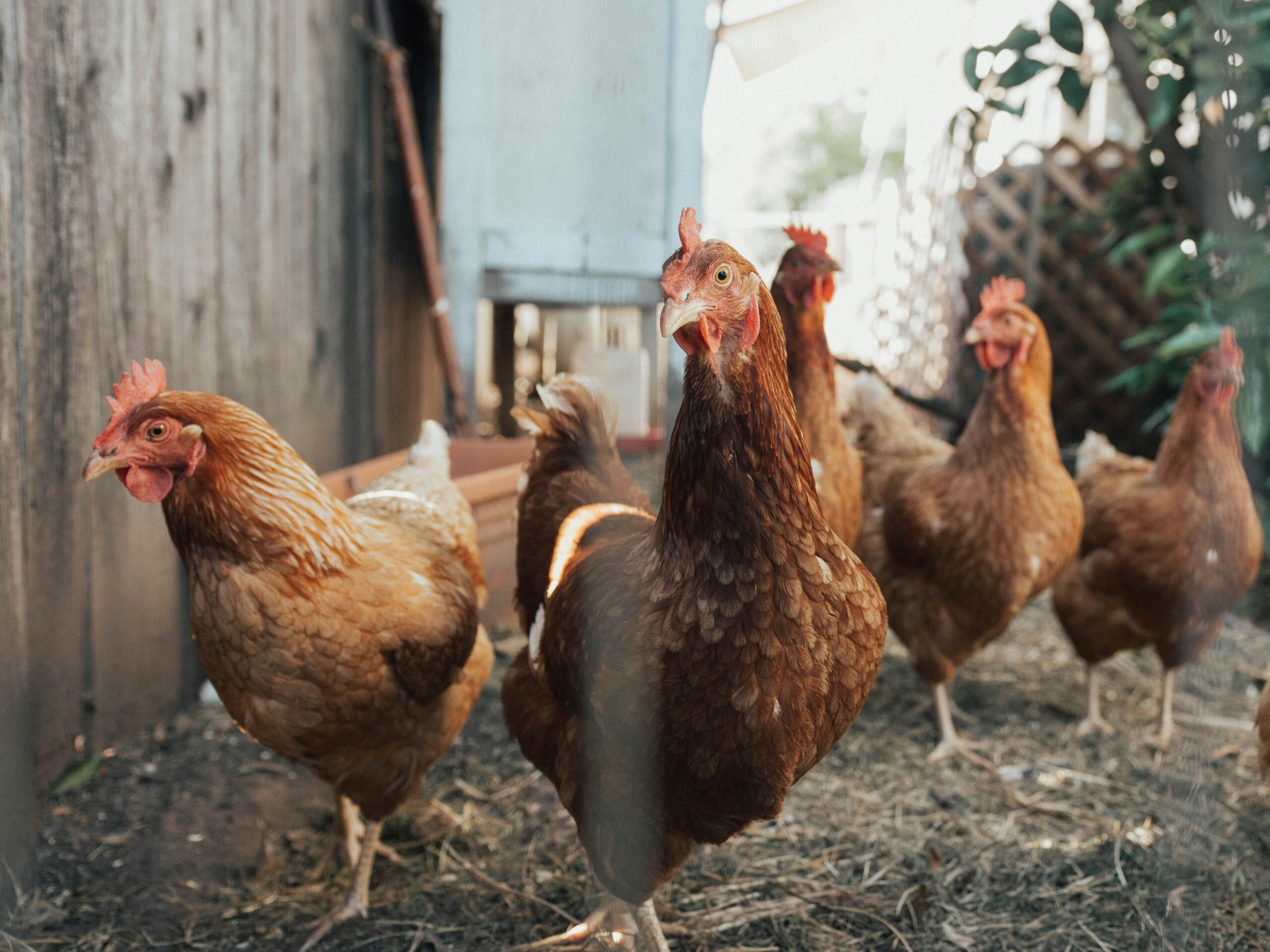
Raising backyard chickens is one of the first and most rewarding steps in homesteading. A small flock of 4 to 6 hens produces enough fresh eggs to feed a family year-round, costs very little to maintain, and requires less than 15 minutes of daily care once your systems are set up properly.
This complete guide to raising chickens for beginners covers everything you need to know — from choosing the right breed and building your first coop to feeding, health care, egg collection, and expanding your flock over time.
How to Raise Chickens for Beginners in 2026 – Fresh Eggs in 6 Months
Why Raise Chickens on Your Homestead?
- Fresh eggs daily — A laying hen produces 250 to 300 eggs per year. Six hens supply a family’s entire egg needs year-round.
- Extremely low cost — Feed costs $15 to $25 per month for a flock of 6. Compared to buying eggs at $5 to $8 per dozen, your flock pays for itself within months.
- Low maintenance — 10 to 15 minutes of daily care for feeding, watering, and egg collection. Less time than walking a dog.
- Garden value — Chicken manure is one of the most nitrogen-rich fertilisers available. Your garden will thrive.
- Natural pest control — Free-ranging chickens eat ticks, beetles, grubs, and other garden pests.
- Meat production — Dual-purpose breeds provide eggs now and meat later when hens end their laying life.
Choosing the Right Chicken Breed for Beginners
The best chicken breeds for beginners balance high egg production, calm temperament, and hardiness across a range of climates. Here are the top recommendations for new backyard chicken keepers:
| Breed | Eggs/Year | Temperament | Climate Tolerance | Best For |
| Rhode Island Red | 280–300 | Calm, friendly | Cold and heat hardy | Best all-around beginner breed |
| Buff Orpington | 250–280 | Very docile, gentle | Cold hardy | Families with children |
| Australorp | 280–320 | Quiet, friendly | Adaptable | Highest egg production |
| Barred Plymouth Rock | 260–280 | Calm, curious | Very cold hardy | Northern climates |
| Sussex | 250–270 | Friendly, active | Cold and heat hardy | Dual purpose eggs + meat |
| Easter Egger | 200–250 | Friendly, quirky | Adaptable | Coloured eggs — blue/green |
| For beginners in the South and warm climates, the Australorp and Rhode Island Red are ideal. For northern states with harsh winters, the Barred Plymouth Rock and Buff Orpington are the most cold-hardy choices. |
How Many Chickens Do You Need?
As a beginner, start with 4 to 6 hens. This gives you enough eggs for daily family use while keeping the management simple and costs low.
| Flock Size | Daily Eggs | Weekly Eggs | Best For |
| 3–4 hens | 2–3 eggs | 14–21 eggs | Singles or couples |
| 5–6 hens | 4–5 eggs | 28–35 eggs | Family of 2–4 |
| 8–10 hens | 6–8 eggs | 42–56 eggs | Large family + selling surplus |
| 12+ hens | 9–12 eggs | 63–84 eggs | Regular egg sales at farmers’ market |
| Never start with just 1 or 2 chickens. Chickens are flock animals and will be stressed and unhappy alone. A minimum of 3 hens is essential for their wellbeing. |
Building or Buying a Chicken Coop for Beginners
Your coop is the most important infrastructure investment for raising chickens at home. A well-designed coop keeps your flock safe, healthy, and productive.
Minimum Coop Requirements
- Indoor space — Minimum 4 square feet per bird inside the coop. A 6-hen flock needs at least a 4×6 foot coop interior.
- Outdoor run — Minimum 10 square feet per bird in the attached run. For free-ranging hens, more space is better.
- Nesting boxes — One nesting box per 3 to 4 hens. A 6-hen flock needs 2 nesting boxes.
- Roosting bars — 8 to 10 inches of roosting space per bird. Hens sleep on elevated bars, not on the floor.
- Ventilation — Good airflow at the top of the coop. Poor ventilation causes respiratory disease.
- Predator protection — Hardware cloth (not chicken wire) on all openings. Predator aprons around the base.
Build vs Buy
| Option | Cost | Time | Best For |
| Build from pallets/reclaimed wood | $50–$200 | 1–2 weekends | Budget-conscious beginners |
| Build from lumber plans | $200–$600 | 2–3 weekends | Custom sizing, DIY confident |
| Buy prefab coop kit | $300–$800 | 1–2 hours | Fastest setup, limited to small flocks |
| Buy quality wooden coop | $500–$1,500 | 1 hour | Long-term investment, better quality |
What to Feed Backyard Chickens
Proper nutrition is essential for healthy hens and high egg production. Here is the complete beginner’s guide to backyard chicken feed:
Commercial Feed — The Foundation
- Chicks (0–8 weeks) — Chick starter feed at 18–20% protein. Medicated starter is recommended to prevent coccidiosis.
- Pullets (8–16 weeks) — Grower feed at 16–18% protein as hens develop.
- Laying hens (16+ weeks) — Layer feed at 16% protein with added calcium for shell production.
- Meat birds — Broiler feed at 20–22% protein for fast muscle development.
Supplements and Treats
- Oyster shell — Provide free-choice at all times for laying hens. Essential for strong eggshells.
- Grit — Necessary if hens eat anything other than commercial feed. Helps grind food in the gizzard.
- Kitchen scraps — Excellent treat: vegetable peels, cooked rice, bread, fruit. Avoid avocado, onions, chocolate.
- Calcium-rich treats — Dried mealworms, sunflower seeds, cooked eggs (crushed shells included).
Daily Chicken Care Routine
Once your systems are set up, raising backyard chickens requires just 10 to 15 minutes per day:
- Morning (5 mins) — Open coop, check water and fill if needed, check feed levels, collect any early eggs.
- Midday (optional) — Collect eggs if you have high-producing hens. Check that hens are behaving normally.
- Evening (5–10 mins) — Collect all remaining eggs, top up feed and water, close and latch the coop securely before dark.
- Weekly (20–30 mins) — Clean out nesting box bedding and add fresh straw, check coop for signs of pests or damage.
- Monthly (1–2 hours) — Deep clean the coop floor, wash waterers and feeders, inspect hardware cloth for damage.
Common Chicken Health Problems and How to Prevent Them
| Problem | Signs | Prevention | Treatment |
| Mites and lice | Excessive preening, feather loss, pale comb | Regular dust baths, clean bedding | Pyrethrin dust, diatomaceous earth |
| Coccidiosis | Bloody droppings, lethargy in chicks | Medicated starter feed | Sulfa drugs from vet |
| Respiratory illness | Wheezing, nasal discharge | Good ventilation, dry bedding | Antibiotics from vet |
| Egg binding | Straining, lethargy in laying hen | Adequate calcium, proper diet | Warm bath, vet if severe |
| Worms | Weight loss, pale comb, loose droppings | Regular worming program | Fenbendazole (Safeguard) |
| Predator attacks | Missing hens, feathers, disturbed coop | Hardware cloth, secure latches | Improve coop security |
Collecting and Storing Eggs
- Collect eggs at least once per day — twice daily in very hot weather to prevent sweating and spoilage.
- Do not wash eggs before storing — the natural bloom protects the egg from bacteria.
- Store unwashed eggs at room temperature for up to 4 weeks, or refrigerate for up to 3 months.
- If you wash an egg, refrigerate immediately and use within 2 weeks.
- Check every egg for cracks before storing — cracked eggs should be used immediately.
Frequently Asked Questions:
How many chickens do I need for a family of 4?
A flock of 5 to 6 laying hens produces enough eggs for a family of 4 with surplus to share or sell. Each hen lays approximately 250 to 300 eggs per year.
How long do chickens live and how long do they lay eggs?
Most laying hens live 5 to 10 years. Peak egg production occurs in years 1 to 3. Production declines after year 3 but does not stop entirely. Many homesteaders keep hens past their laying prime as pets or for eventual meat.
Do I need a rooster to get eggs?
No. Hens lay unfertilised eggs without a rooster. A rooster is only needed if you want fertilised eggs for hatching chicks. Most backyard chicken ordinances actually prohibit roosters in residential areas due to noise.
What is the cheapest way to feed chickens?
The most cost-effective approach combines commercial layer pellets as a base with free-ranging time for insects and plants, kitchen scraps, and garden waste. A completely free-range flock on good pasture can reduce feed costs by 30% to 50%.
How do I know when my hens start laying?
Most hens begin laying at 18 to 24 weeks of age, depending on the breed. Signs include squatting when you approach, increased interest in nesting boxes, and a bright red comb and wattles.