How to Grow Sweet Potatoes — Complete Homesteader’s Guide 2026
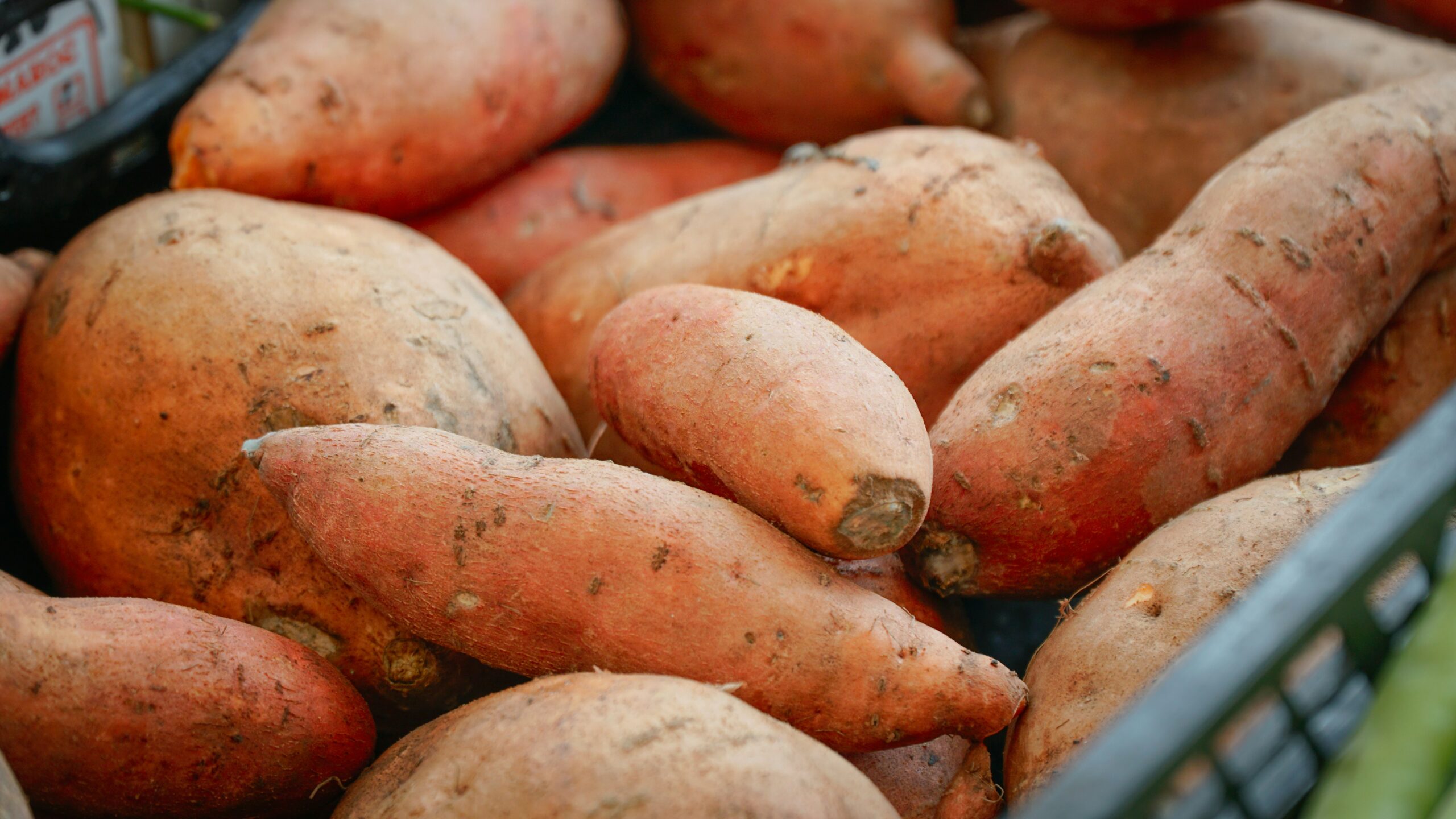
Sweet potatoes are one of the most rewarding crops a homesteader can grow. They are heat-tolerant, drought-resistant, incredibly nutritious, and once established they practically take care of themselves. A single well-tended 10-foot row can produce 15 to 30 pounds of food — enough to feed a family for months when properly stored.
If you have been thinking about adding sweet potatoes to your homestead garden this year, this complete guide covers everything you need to know — from choosing the right variety to planting, growing, harvesting, curing, and storing your crop.
Why Every Homesteader Should Grow Sweet Potatoes
- Extraordinary nutritional density — Sweet potatoes are loaded with vitamin A, vitamin C, potassium, fibre, and antioxidants. A single medium sweet potato contains more than your entire daily intake of vitamin A.
- High calorie production per square foot — A well-tended bed can produce 10 to 20 pounds per plant — significantly more caloric return per square foot than most vegetables.
- Long storage life — When properly cured, sweet potatoes store for 6 to 12 months at room temperature with no freezer or canning required.
- Low maintenance — Once established, sweet potato vines spread aggressively and shade out weeds. They require less water than regular potatoes.
- Dual-purpose crop — Both the roots and the leaves are edible. Sweet potato leaves are highly nutritious greens that can be eaten fresh or cooked like spinach.
Understanding Sweet Potatoes — The Basics
Sweet Potatoes Are Not Related to Regular Potatoes
Despite the shared name, sweet potatoes and regular potatoes are completely different plants. Potatoes are part of the Solanaceae (nightshade) family, while sweet potatoes belong to the Convolvulaceae (morning glory) family. This difference affects everything from growing conditions to pest management.
Sweet Potatoes Grow From Slips, Not Seeds or Tubers
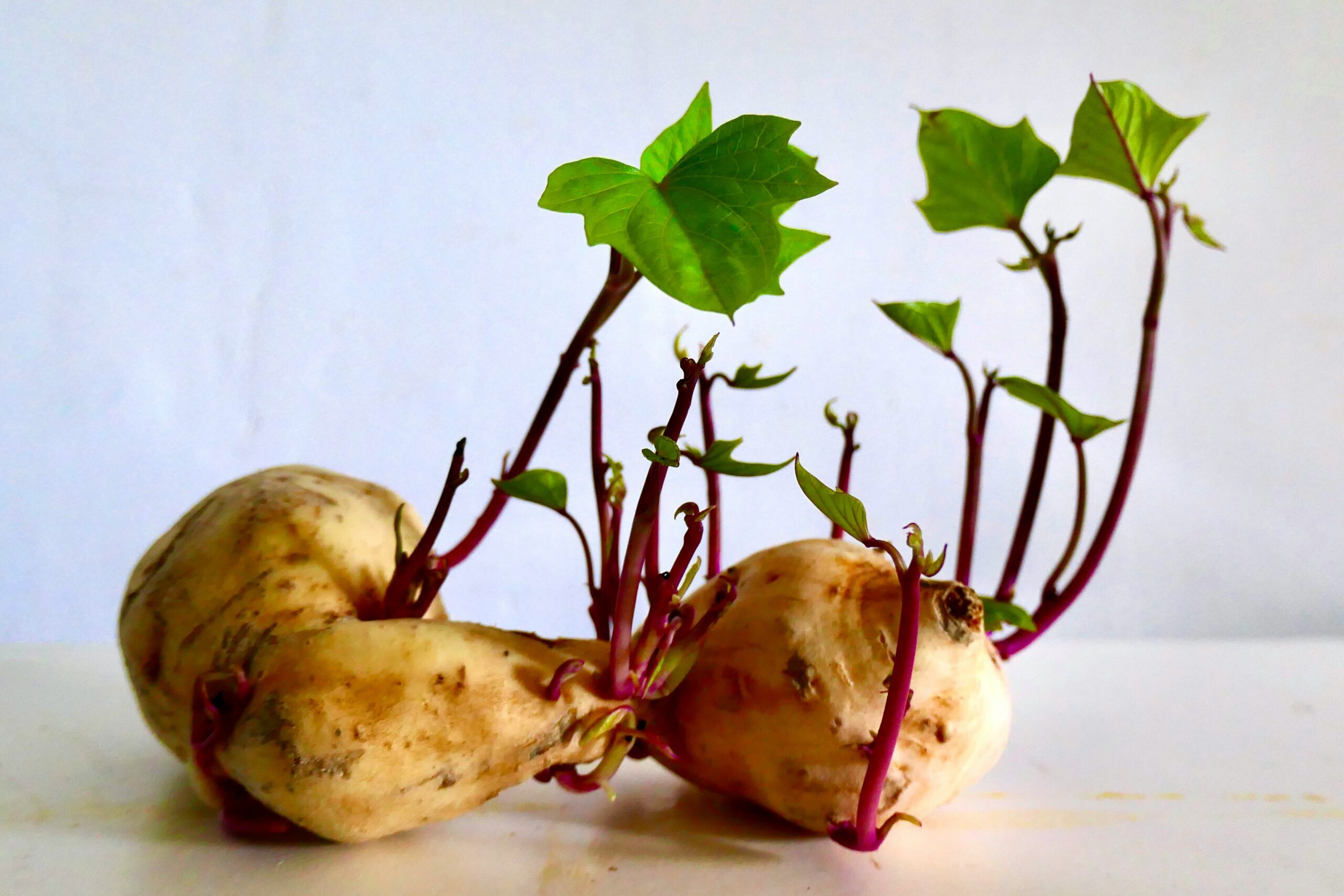
Sweet potatoes are not grown from seed. Instead they are grown from slips, which are sprouts from existing sweet potatoes. Slips are available at local garden centres, farmers’ markets, or from mail-order companies.
They Need Warmth
Unlike regular potatoes which grow best when the soil is cool, sweet potatoes like it hot. They are tropical plants that are very sensitive to cold weather.
Choosing the Right Sweet Potato Variety
The best sweet potatoes to plant depend heavily on your local climate, specifically your growing season length and soil type. For most US gardeners, the Beauregard and Centennial varieties offer excellent yields and adaptability.
Best Varieties by Region
For the South (long growing season — 150+ frost-free days):
- Beauregard — The most widely grown variety in the US. Produces large, uniform, deep-orange roots. Matures in 90 to 100 days. Excellent yield and disease resistance.
- Centennial — Classic variety with excellent orange flesh. Matures in 100 days. Very adaptable across the South.
- Georgia Jet — One of the fastest-maturing varieties at 90 days. Excellent for the lower South
For the North and Midwest (short growing season — 90 to 120 frost-free days):
- Vardaman — Bush variety (compact vines) that matures in 95 days. Excellent for small gardens and northern climates.
- Georgia Jet — Also excellent for northern growers due to its 90-day maturity.
- Covington — Improved early variety with bright orange flesh and deep rose-coloured skin. Great for short-season areas.
Soil Preparation
Sweet potatoes thrive in loamy, well-drained soil with a pH between 5.8 and 6.2. If your soil is heavy clay, try growing sweet potatoes in raised beds.
Steps to prepare your sweet potato bed:
- Work the soil to a depth of at least 12 inches
- Incorporate 3 to 4 inches of aged compost or well-rotted manure
- Avoid adding fresh manure — excess nitrogen causes excessive vine growth
- Build raised mounds or ridges if your soil is clay-heavy.
How to Get or Grow Slips
Option 1 — Buy Slips
- Local garden centres and nurseries in spring
- Farmers’ markets — ask local sweet potato growers
- Online from seed companies — order early as slips ship May to June
Option 2 — Grow Your Own Slips (Budget Method)
Growing your own slips from a store-bought organic sweet potato is the most cost-effective approach for homesteaders.
- Select an unblemished, firm, organic sweet potato
- Insert 4 toothpicks around its middle to suspend it halfway in a jar of water
- Place in a warm, bright location — not direct sun
- Change the water every few days
- Wait 6 to 8 weeks for slips to develop to 4 to 6 inches
- Twist slips off gently and plant immediately or root in water for a few days
| Start your slips 8 weeks before your last spring frost date so they are ready to plant when the soil warms up. |
When and How to Plant Sweet Potato Slips
Timing by Region
| Region | Planting Window |
| Deep South (TN, GA, AL, TX) | Late March to late April |
| Mid-South and Midwest | Mid-April to mid-May |
| Northern states | Late May to early June |
Planting Steps
- Prepare your bed — rake smooth, water deeply the day before planting
- Plant at the right depth — cover half the slip with soil, leave top half above ground
- Space correctly — 12 inches in-row, 40 inches between rows for vining varieties
- Water immediately — water deeply after planting and daily for the first week
- Protect from late cold — cover with row covers if cool weather is forecast
Watering, Fertilising and Care
| Week | Watering Frequency |
| Days 1 to 7 (just planted) | Daily |
| Days 8 to 14 | Every other day |
| After establishment | Once per week deeply |
Harvesting Sweet Potatoes
Sweet potatoes generally mature in 85 to 120 days. Signs it is time to harvest include yellowing vine ends, 90 to 120 days since planting, and approaching autumn frost.
- Cut the vines off at soil level first — this makes digging significantly easier
- Loosen the soil carefully with a garden fork starting 12 inches from the plant centre
- Work toward the plant, lifting gently — sweet potato skins are extremely tender
- Remove all roots from the soil — even small ones left behind will rot
- Handle every root carefully — bruised spots become soft spots during storage
Curing — The Critical Step Most Beginners Skip
Curing causes the skin to thicken and form a protective layer that dramatically extends storage life and improves flavour — the starches convert to sugars during curing, making them noticeably sweeter.
| Factor | Requirement |
| Temperature | 80 to 90°F |
| Humidity | 85 to 90% |
| Duration | 7 to 14 days |
| Airflow | Good ventilation |
| Light | Indirect — avoid direct sun |
Storing Cured Sweet Potatoes
Ideal storage conditions: 55 to 60°F, moderate humidity, dark location, some air circulation. Never refrigerate — temperatures below 50°F cause internal damage.
Properly cured sweet potatoes store for 6 to 12 months in ideal conditions — from your September harvest all the way through the following spring.
Frequently Asked Questions
How many sweet potatoes does one plant produce?
One plant typically produces 3 to 5 tubers. A 10-foot row yields 15 to 30 pounds under good conditions.
Can I grow sweet potatoes in northern states?
Yes — choose short-season varieties like Vardaman or Georgia Jet and use raised beds mulched with black plastic to keep soil warm.
Can I eat the sweet potato leaves?
Absolutely. Sweet potato leaves are highly nutritious and can be eaten fresh in salads or sautéed like spinach.
Can I save my own slips for next year?
Yes — save your best roots from harvest, store through winter, and use them to grow slips for the following spring planting.
Related Guides
- Best Vegetables to Grow for Self-Sufficiency — What to Plant First
- How to Preserve Food Without Refrigeration — 8 Proven Methods
- Homesteading for Beginners — The Complete Step-by-Step Guide (2026)
- Sweet Potatoes vs Potatoes — Which Should You Grow? (Article 20)