What Is Homesteading? The Complete Beginner’s Definition & Guide (2026)
Homesteading is a lifestyle of self-sufficiency — growing your own food, raising animals, preserving your harvest, and reducing dependence on commercial systems. It is one of the fastest-growing lifestyle movements in the United States, driven by rising food costs, supply chain uncertainty, and a deep desire for a more meaningful, connected way of living.
But what exactly does homesteading mean in 2026? And how is modern homesteading different from what the word traditionally meant? This complete guide answers every question a beginner needs answered before starting their homesteading journey.
The Definition of What is Homesteading
Homesteading is the practice of living a self-sufficient lifestyle by growing your own food, raising animals, preserving the harvest, and reducing dependence on commercial food systems and outside services. A homesteader takes direct responsibility for as much of their own food production, energy, and daily needs as possible.
The meaning of the homestead has evolved significantly over the centuries. Originally, the word referred to the land a family claimed and developed under the Homestead Act of 1862. Today, modern homesteading has nothing to do with land grants or legal definitions — it describes a philosophy and a set of practical skills that anyone can adopt, from a family on 20 rural acres to someone growing food in a city apartment.
| Key insight: Homesteading is not a destination — it is a direction. You do not need to reach any specific level of self-sufficiency to be a homesteader. Anyone intentionally working toward growing more of their own food and reducing dependence on commercial systems is homesteading. |
The History of Homesteading in America
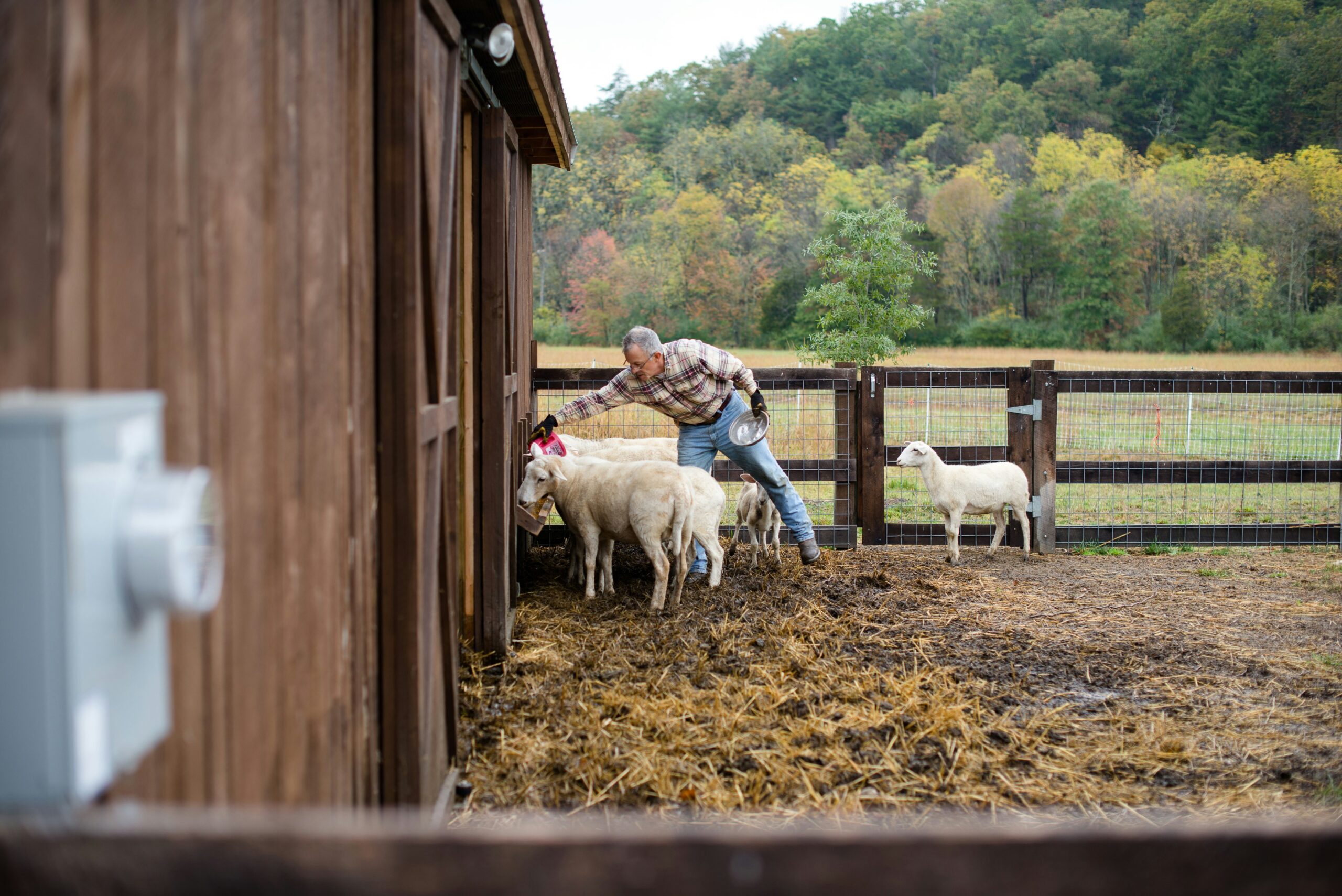
The original Homestead Act of 1862, signed by President Abraham Lincoln, gave any US citizen 160 acres of federal land in exchange for living on it, improving it, and farming it for five years. Over its 114-year history, the Act distributed over 270 million acres — more than 10% of all US land — to private citizens.
The Act was repealed in 1976 (with Alaska given an extension until 1986), but the spirit of homesteading never died. In the 1960s and 1970s, a back-to-the-land movement brought a new generation to rural living. In the 2000s and 2010s, the internet made homesteading knowledge accessible to everyone. In 2026, homesteading is experiencing its strongest revival in a century, driven by food security concerns, climate awareness, and the freedom of remote work enabling people to live anywhere.
What Does Modern Homesteading Look Like?
Modern homesteading takes many forms and exists on a spectrum. There is no single correct version — what matters is the intentional movement toward greater self-sufficiency.
| Type | Description | Who It Suits | What It Looks Like |
| Urban homesteading | Self-sufficiency in a city apartment or small urban yard | Renters, city dwellers, beginners | Container gardens, fermentation, sourdough, composting |
| Backyard homesteading | Food production in a suburban backyard | Suburban homeowners, families | Raised beds, chickens, fruit trees, rain barrels |
| Small acreage homestead | 1–5 acres of rural residential land | First-time rural buyers | Garden, goats, chickens, food preservation, solar |
| Traditional homestead | 5–20+ acres of rural land | Committed self-sufficiency seekers | Full food production, livestock, off-grid systems |
| Farm homestead | 20–100+ acres with commercial potential | Experienced farmers and investors | Diverse crops, multiple livestock species, farm income |
The 8 Core Pillars of the Homesteading Lifestyle
1. Food Growing
Growing vegetables, fruit, and herbs for home consumption is the foundation of every homestead regardless of scale. Even a small container garden on a balcony qualifies. The goal is to grow as much of your own food as your space and time allow.
2. Animal Husbandry
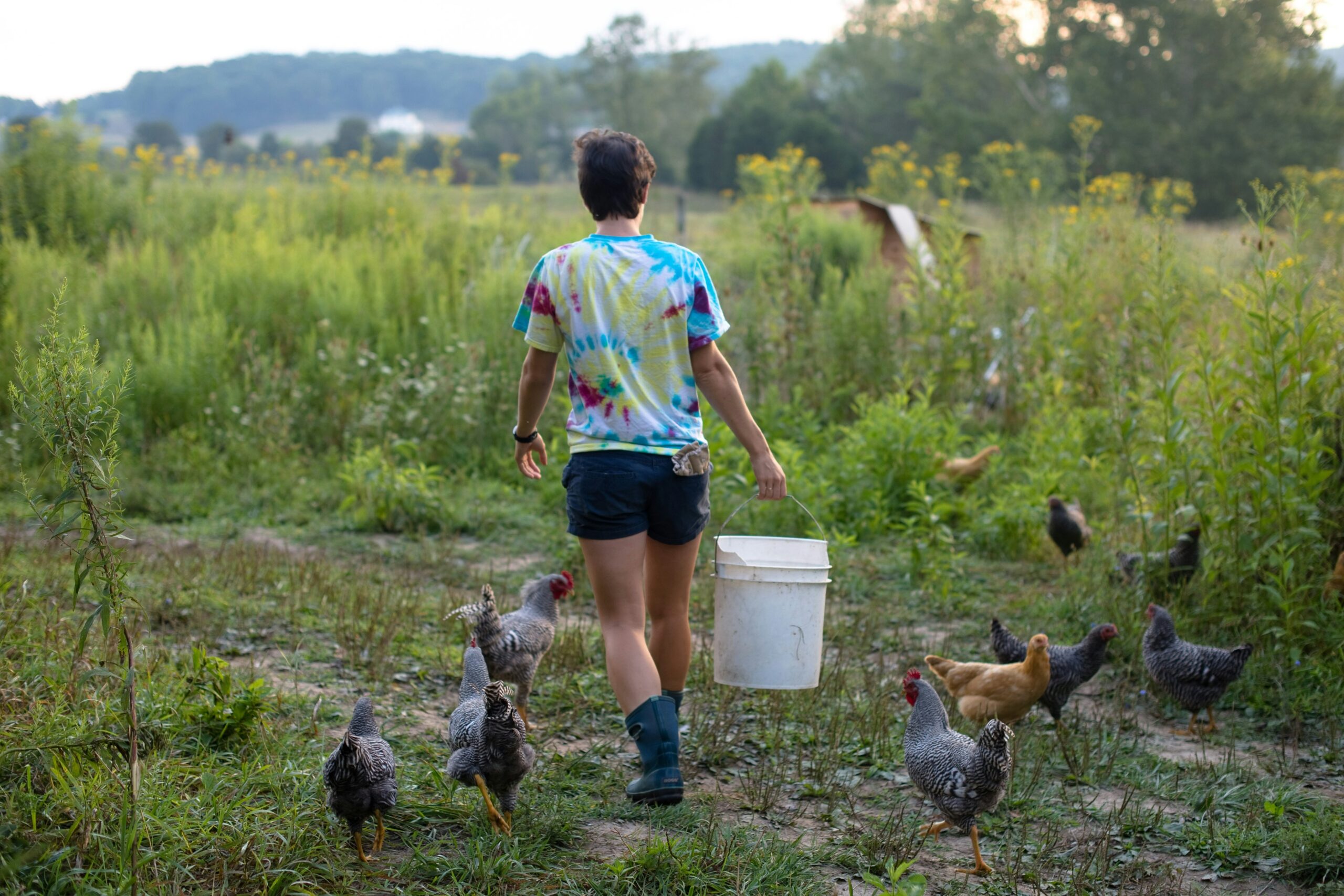
Raising chickens for eggs, goats for dairy, pigs for meat, or bees for honey is a defining element of traditional homesteading. Animals provide food, fertility for the garden, and an intimate connection to the food cycle.
3. Food Preservation
Canning, fermenting, dehydrating, and root-cellaring the harvest extends your food supply through the seasons. Preservation is what transforms a productive summer garden into year-round food security.
4. Skill Building
Homesteading rewards people who can do things for themselves — basic carpentry, mechanical repair, first aid, natural building, seed saving, cheese making. Every new skill reduces your dependence on commercial services.
5. Energy Awareness
Many homesteaders move toward energy independence through solar power, wood heat, passive solar design, and energy conservation. Reducing energy consumption and producing your own power are natural extensions of the self-sufficient lifestyle.
6. Water Management
Homesteaders value water as a precious resource. Rainwater harvesting, well management, efficient irrigation, and water storage are important skills on any homestead, particularly in drought-prone regions.
7. Financial Self-Reliance
The homesteading lifestyle naturally reduces expenses through home food production, DIY maintenance, and conscious consumption. Many homesteaders supplement their income through selling surplus produce, eggs, honey, or handmade products.
8. Community Building
Despite its independent image, homesteading thrives in community. Seed swaps, skills-sharing, work parties, and mutual aid between homesteaders create resilient networks that benefit everyone.
Urban Homesteading — You Don’t Need Land to Start
One of the most important things to understand about modern homesteading is that you do not need land to begin. Urban homesteading and backyard homesteading have become vibrant movements in cities and suburbs across the US.
- Grow food on a balcony, windowsill, or small patio using containers and vertical growing systems
- Ferment vegetables, brew kombucha, and bake sourdough bread in any kitchen
- Compost kitchen scraps in a worm bin under your kitchen sink
- Sprout seeds on your counter for fresh greens year-round
- Learn food preservation skills using your existing kitchen
- Join a community garden for growing space beyond your home
- Keep a few hens if your city ordinance allows backyard chickens
| You are already homesteading if you grow any of your own food, preserve food at home, reduce your dependence on commercial systems, or are intentionally building practical self-reliance skills. Start where you are. |
How to Start Homesteading in 2026 — Your First Steps
- Define your goals — What does self-sufficiency mean to you? What do you most want to grow, raise, or learn? Write it down.
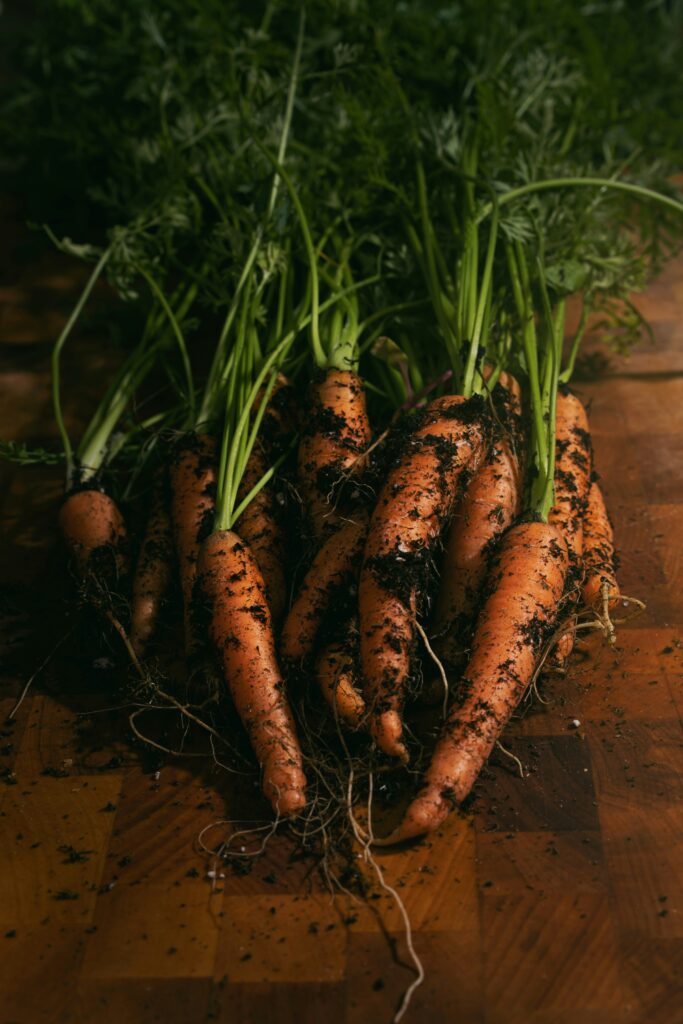
- Start with food — Plant something edible this week. Even a pot of herbs on a windowsill is a real beginning.
- Learn one preservation skill — Choose canning, fermenting, or dehydrating. Master one method before adding others.
- Connect with community — Join local homesteading groups, attend farmers’ markets, find people already doing what you want to learn.
- Research land if you want it — Read about free land programs, USDA loans, and the best states for homesteading.
- Build skills before buying land — The most valuable homestead asset is knowledge. Learn everything you can before you commit to land.
Common Homesteading Myths Debunked
| Myth | Reality |
| You need acres of land to homestead | You can start homesteading in an apartment with container gardens and kitchen fermentation |
| Homesteading is only for rural areas | Urban homesteading is one of the fastest-growing movements in US cities |
| It’s too expensive to start | Most homesteading skills cost almost nothing to start — seeds, jars, and a bit of time |
| You need to do everything yourself | Community and collaboration are central to successful homesteading |
| Homesteading means living without modern conveniences | Modern homesteaders use technology, the internet, and power tools extensively |
| It’s all or nothing | Every step toward self-sufficiency counts — partial homesteading is still homesteading |
Frequently Asked Questions
What does homesteading mean?
Homesteading means living a lifestyle of intentional self-sufficiency — growing your own food, raising animals, preserving your harvest, and reducing dependence on commercial systems. It can be practised at any scale, from a city apartment to a large rural farm.
Is homesteading legal in the US?
Yes — homesteading is completely legal. What you can specifically do on your property (keep animals, build structures, collect rainwater) depends on local zoning laws and ordinances. Urban areas have more restrictions than rural areas.
How much money do you need to start homesteading?
You can start homesteading with almost nothing — seeds cost $2 to $5 per packet, mason jars for fermentation cost $15, and a basic container for growing costs $10. Serious land-based homesteading requires more investment, but the skills can be developed for free.
Can you make money homesteading?
Yes. Many homesteaders generate income by selling surplus eggs, produce, honey, value-added products (jams, soap, candles), and farm experiences. A well-established homestead can significantly reduce living expenses and generate meaningful income.